

The best things to do in Uganda include tracking endangered mountain gorillas in Bwindi Impenetrable National Park, chimpanzee trekking in Kibale Forest, and experiencing world-class white-water rafting on the Nile River in Jinja. Other top activities are classic wildlife safaris in Queen Elizabeth National Park, hiking to the stunning Sipi Falls, and exploring the culture of Kampala. Whether you seek primate encounters, adrenaline-pumping adventures, or rich cultural experiences, Uganda offers a diverse array of activities.
This guide provides a detailed overview of the top experiences, complete with practical tips to help you plan your journey. It covers everything from primate tracking to classic wildlife safaris, adventure sports, and cultural tours. Each activity is presented with the specific details needed to move from inspiration to planning with ease.
1. Gorilla Trekking in Bwindi Impenetrable National Park
Gorilla trekking offers a rare opportunity to observe endangered mountain gorillas in their natural habitat, and Bwindi Impenetrable National Park is arguably the best place in the world to do it. This activity is one of the most profound wildlife encounters available in Uganda, allowing you to spend an hour with a habituated gorilla family after hiking through one of Africa’s most ancient rainforests.
The experience involves a guided trek, often lasting several hours, through dense, challenging terrain. The reward is an intimate and respectful encounter with these gentle giants. Bwindi is home to nearly half of the world's mountain gorilla population, with numerous habituated families available for tracking. This high population density significantly increases the chances of a successful sighting, making it a premier destination for this once-in-a-lifetime adventure. While Bwindi is the primary location, nearby Mgahinga Gorilla National Park also offers treks, though it has fewer habituated groups.
Practical Tips for Your Trek
To ensure a smooth experience, planning is crucial. Permits are limited and sell out quickly, so securing them well in advance is essential.
- Book Early: Reserve your gorilla permit at least three to six months beforehand, especially for peak seasons (June-August and December-February).
- Physical Preparation: The trek can be physically demanding, involving steep slopes and high altitudes. Engage in cardiovascular conditioning like hiking or jogging before your trip.
- Proper Gear: Wear sturdy, waterproof hiking boots, long-sleeved shirts, and trousers to protect against vegetation and insects. A waterproof jacket is also a must, as rain is common.
Following the guidance of your expert rangers is vital for both your safety and the gorillas' wellbeing. Maintaining the regulated distance and keeping your voice low helps ensure the animals remain calm and undisturbed. For those looking to organise a comprehensive journey, you can learn more about gorilla trekking safari packages on helloeastafrica.com.
2. Chimpanzee Tracking in Kibale Forest National Park
Chimpanzee tracking in Kibale Forest National Park offers an immersive journey into the world of our closest living relatives. This captivating experience allows you to track a habituated chimpanzee community on foot through one of East Africa's most magnificent rainforests. Accompanied by expert Uganda Wildlife Authority (UWA) guides, you'll witness the complex social interactions, communication, and daily life of these intelligent primates in their natural environment.
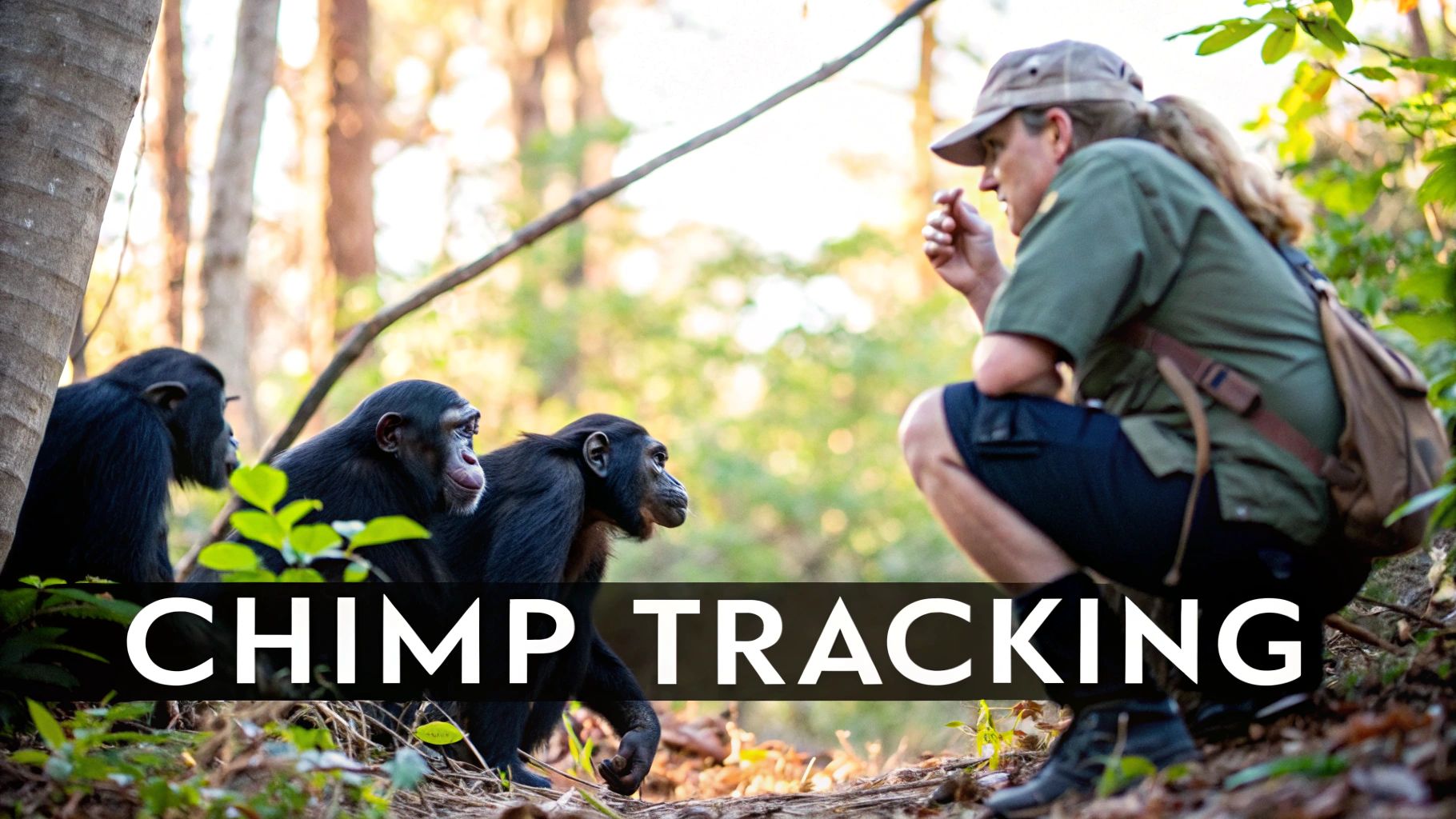
Often called the "Primate Capital of the World," Kibale is home to the highest concentration of primates in Africa, boasting 13 different species. The trek can range from a couple of hours to a full day, depending on the location of the chimpanzees. The reward for your efforts is an unforgettable hour spent observing them as they play, groom, and swing through the canopy. The nearby town of Fort Portal serves as a perfect base for organising your adventure into this primate sanctuary, making it one of the most accessible and rewarding things to do in Uganda.
Practical Tips for Your Trek
To make the most of your chimpanzee encounter, careful preparation is essential. Permits are required and should be booked well in advance, as availability is limited to protect the chimpanzees from excessive human contact.
- Book Permits Early: Secure your chimpanzee tracking permit months ahead, particularly if travelling during the high seasons (June-September and December-February).
- Appropriate Attire: Wear neutral-coloured clothing (khaki, green, brown) to blend in with the forest. Long trousers and long-sleeved shirts are essential for protection against insects and plants.
- Essential Gear: Sturdy, waterproof hiking boots are a must for the uneven and often muddy terrain. Bring a lightweight rain jacket, as showers are common in the forest.
Following your guide's instructions is crucial for a safe and respectful interaction. You will be asked to maintain a minimum distance from the chimpanzees and keep noise to a minimum. This ensures the well-being of the animals and provides a more authentic and intimate viewing experience for everyone involved.
3. White Water Rafting on the Nile River
White water rafting on the Nile River is an adrenaline-fueled adventure that ranks among the most exhilarating things to do in Uganda. Centred around the town of Jinja, known as the adventure capital of East Africa, this activity allows you to navigate the powerful rapids of the world's longest river. The experience combines heart-pounding action with spectacular scenery, offering a unique way to connect with one of Africa’s most iconic waterways.
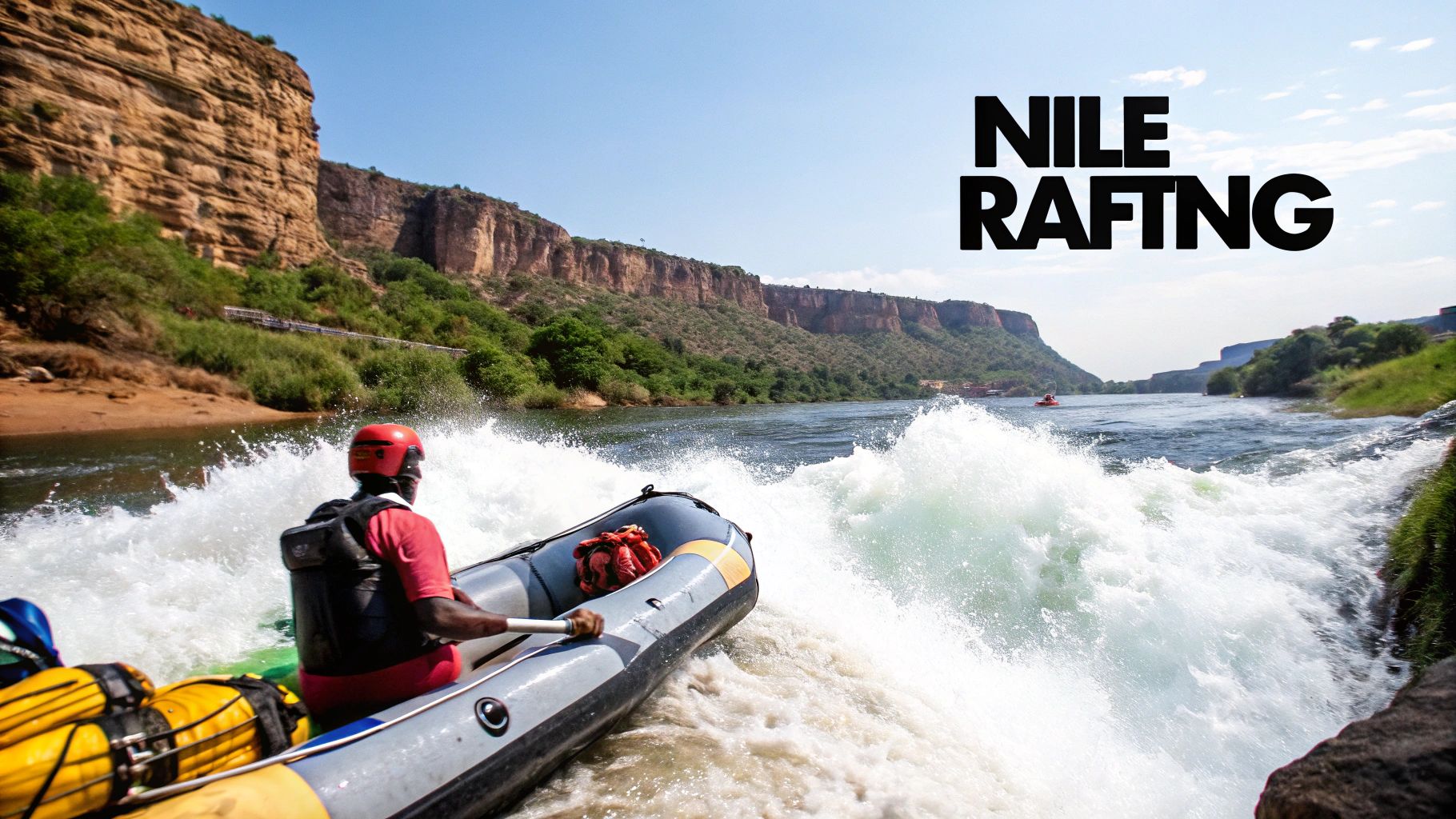
The Nile near Jinja features a series of world-class Class III to V rapids, making it a premier destination for both first-time rafters and seasoned thrill-seekers. The most popular section, the Bujagali stretch, guarantees an intense ride through massive waves and turbulent waters. Operators cater to all skill levels, offering everything from mild family floats on calmer sections to extreme rafting expeditions for the more adventurous. This blend of thrilling rapids and stunning natural beauty makes Nile rafting a truly unforgettable Ugandan experience.
Practical Tips for Your Rafting Trip
To make the most of your adventure, proper preparation is key. Following safety guidelines and choosing the right gear will ensure a fantastic and secure experience on the water.
- Book with Reputable Operators: Choose established companies like Adrift or Nile River Explorers, who have excellent safety records and experienced guides.
- Wear Appropriate Gear: Opt for secure water shoes with good grip and comfortable, quick-drying clothing. Avoid cotton and loose jewellery.
- Listen Carefully: Pay close attention to the safety briefing provided by your guides. Knowing how to react if you fall out of the raft is crucial.
- Combine Adventures: Jinja offers more than just rafting. Consider pairing your trip with other activities like bungee jumping, kayaking, or quad biking for a full day of adventure.
Rafting is a physically demanding activity, so it is wise to be well-rested and to avoid eating a large meal right before you head out. Most trips are organised as full-day or half-day excursions, including transport, equipment, and meals. Following your guide's instructions at all times is essential for both your safety and the enjoyment of the entire group.
4. Visiting Uganda's Crater Lakes and Hiking
Exploring Uganda’s crater lakes offers a serene and picturesque alternative to the bustling safari circuits, providing some of the country's most stunning landscapes. This activity combines scenic hiking, exceptional bird watching, and authentic cultural encounters around dozens of ancient volcanic craters, primarily concentrated near Fort Portal and Kibale National Park. These tranquil, freshwater lakes are nestled amidst rolling hills and lush vegetation, making it an ideal activity for nature lovers and one of the most beautiful things to do in Uganda.
The experience involves guided or independent hikes along the rims of these extinct volcanoes, revealing breathtaking panoramas and opportunities to visit local communities. The Fort Portal region, often called the crater lake capital, serves as the perfect gateway. You can explore a variety of lakes, from the expansive Lake Nyinabulitwa to the easily accessible lakes on the fringe of Kibale Forest, which allows you to combine primate tracking with your scenic walks. The trails vary in difficulty, catering to both casual walkers and seasoned hikers looking for a challenge.
Practical Tips for Your Hike
Proper planning is key to fully enjoying the beauty of the crater lake region. The trails are best enjoyed when you are well-prepared for the conditions.
- Best Time to Visit: Hike during the dry seasons (June-August and December-February) for clearer paths and better visibility.
- Start Early: Begin your walks in the morning to avoid the intense midday heat and enjoy the soft morning light for photography.
- Hire a Local Guide: A local guide offers invaluable knowledge of the best trails, local folklore, and flora and fauna, while also supporting the community economy.
- Essential Gear: Wear sturdy hiking boots with good ankle support. Pack plenty of water, sun protection like a hat and sunscreen, and binoculars for spotting the diverse birdlife.
Engaging with the local communities respectfully enhances the experience. Many areas offer community-led tourism initiatives, including village walks and homestays, which provide deeper insight into the local culture. Supporting these ventures ensures that tourism benefits the people who call this beautiful region home. For those looking to discover more local gems, consider exploring the cultural tourism options available throughout Uganda.
5. Birdwatching in Semliki National Park
Birdwatching in Semliki National Park offers an unparalleled experience for ornithology enthusiasts, positioning it as one of the best birding destinations in Uganda and indeed all of Africa. This park is a unique extension of the Congo's vast Ituri Forest, bringing with it a rich biodiversity and over 440 recorded bird species, including many West African specials that are found nowhere else in East Africa. The diverse habitats, from lowland tropical rainforests to riverine forests and wetlands, create a sanctuary for a remarkable variety of avian life.
The experience involves guided walks through well-maintained trails, where the air is filled with a symphony of bird calls. Spotting rare species like the Nkulengu Rail, Yellow-throated Cuckoo, and Congo Serpent Eagle is a key highlight. The park’s unique ecosystem supports numerous hornbill species, including the iconic Black-casqued Wattled Hornbill. A boat trip on the Semliki River provides further opportunities to see water birds and the elusive Shoebill. Combining birdwatching with a visit to the Sempaya Hot Springs makes this one of the most dynamic things to do in Uganda for nature lovers.
Practical Tips for Your Birding Trip
To maximise your birding success, careful preparation is essential. The park’s dense forest and specific bird behaviours require a well-thought-out approach.
- Hire an Expert Guide: Local birding guides have intimate knowledge of the park’s trails, bird calls, and nesting sites, significantly increasing your chances of spotting rare species.
- Quality Optics are Key: Bring a good pair of binoculars (8×42 or 10×42 are ideal) and a camera with a telephoto lens to capture sightings in the often-low light of the forest canopy.
- Start Early: Many bird species are most active at dawn. An early start, just before sunrise, will reward you with the highest level of activity and the best light for photography.
- Dress Appropriately: Wear neutral-coloured clothing to blend in with the environment. Lightweight, long-sleeved shirts and trousers will protect you from insects and thorny vegetation.
6. Visiting Lake Victoria and Fishing Communities
Exploring Lake Victoria offers a unique cultural immersion into the heart of Uganda, blending scenic beauty with the vibrant life of its shoreline communities. As Africa’s largest lake, it is a vital source of livelihood for millions. Visitors can engage directly with this way of life by taking boat trips to fishing villages, observing traditional fishing methods, and exploring bustling local fish markets, making it one of the most authentic things to do in Uganda.
The experience provides a powerful look into the daily routines and economic backbone of communities like those in Ggaba or on the Ssese Islands. A boat tour from Entebbe allows you to see fishermen casting nets from their canoes and visit islands where life moves at a different pace. It’s an opportunity to understand the lake's cultural and economic significance beyond its sheer size, connecting you with the people whose lives are intrinsically tied to its waters. This blend of natural splendour and cultural insight makes it an unmissable part of any Ugandan itinerary.
Practical Tips for Your Visit
To make the most of your time on and around the lake, a little preparation goes a long way. Engaging respectfully with local communities is key to a meaningful visit.
- Best Timing: Visit fish markets like Ggaba early in the morning to witness the peak activity as fishermen bring in their overnight catch.
- Safe Transport: Always book boat trips through reputable, established operators who provide life jackets and adhere to safety standards.
- Stay Protected: The equatorial sun is strong on the water. Wear a hat, sunglasses, and high-SPF sunscreen, and bring plenty of drinking water to stay hydrated.
- Respectful Photography: Always ask for permission before taking photos of people, especially in smaller villages, to show respect for their privacy.
Supporting community-led tourism initiatives ensures your visit benefits the local economy directly. By choosing local guides and purchasing crafts, you contribute to the sustainability of these vibrant communities. For those organising a broader exploration, you can learn more about destinations in Uganda on helloeastafrica.com.
7. Bungee Jumping and Adventure Sports at Jinja
Jinja is celebrated as East Africa’s adventure capital, offering an array of adrenaline-pumping activities centred around the historic source of the Nile. Bungee jumping is the flagship experience, inviting thrill-seekers to take a 44-metre plunge from a purpose-built platform with the powerful Nile River below. This activity provides an unmatched rush and spectacular views, making it one of the most memorable things to do in Uganda for adventurous travellers.
Beyond the iconic bungee jump, Jinja offers a full spectrum of extreme sports. Operators like Adrift Uganda provide a range of experiences, including white-water rafting, kayaking, quad biking through local villages, and zip-lining across the lush riverine forest. The concentration of these activities in one scenic location makes it easy to combine several adventures into a single day or a weekend trip, cementing Jinja’s reputation as a must-visit destination for those seeking high-octane fun.
Practical Tips for Your Adventure
To maximise your experience and ensure safety, careful planning with certified operators is key. Choosing a reputable company guarantees that equipment and procedures meet international standards.
- Book with Experts: Select certified operators with a proven safety record, such as Adrift Uganda or Nile River Explorers, for all high-risk activities.
- Health and Safety First: Listen attentively to all safety briefings. Inform your guide of any pre-existing medical conditions and avoid heavy meals just before your jump.
- Dress Appropriately: Wear secure, closed-toe footwear. Avoid sandals or loose items. Comfortable, non-restrictive clothing is also recommended for activities like quad biking.
By following these guidelines, you can fully immerse yourself in the excitement that Jinja offers. For those planning a trip filled with diverse thrills, you can explore various adventure activities on helloeastafrica.com.
8. Cultural Tours of Kampala and Historical Sites
Exploring Kampala offers a vibrant immersion into Uganda's rich history and contemporary culture, making it a must-do for any visitor. Guided cultural tours provide a fascinating journey through the capital city’s most significant landmarks, from royal palaces and ancient tombs to bustling markets and modern religious centres. This is one of the best things to do in Uganda to understand the nation's complex past and its dynamic present.
The experience connects you with the heart of Ugandan heritage. Key sites include the UNESCO-listed Kasubi Tombs, the burial ground for the kings of Buganda, and the Uganda National Museum, which houses extensive ethnographic collections. You can also visit the impressive Gaddafi National Mosque for panoramic city views and explore the historical corridors of the Buganda Kingdom's Lubiri Palace. These tours offer a profound look into the traditions and stories that have shaped the country.
Practical Tips for Your Tour
To make the most of your Kampala exploration, a little planning goes a long way. The city is sprawling, so organising your itinerary ensures a seamless experience.
- Hire a Guide: Engage a knowledgeable local guide to gain deeper insights into the history and cultural significance of each site.
- Dress Respectfully: When visiting religious or cultural sites like the Kasubi Tombs or mosques, wear modest clothing that covers your shoulders and knees.
- Navigate Smartly: Use registered taxis or ride-sharing apps like Uber or Bolt for safe and reliable transport between locations. Be prepared for traffic, which can be heavy.
A well-planned city tour reveals the soul of Uganda, offering a powerful contrast to its natural wonders. For more tips on organising your Kampala itinerary and to connect with other travellers, you can find more information about cultural tours and historical sites in Uganda on the helloeastafrica.com forums.
9. Mountain Climbing on Mount Rwenzori
For serious mountaineers, climbing Mount Rwenzori offers one of Africa's most challenging and rewarding treks. Known as the "Mountains of the Moon," this UNESCO World Heritage Site boasts stunning alpine landscapes, unique flora, and Africa's third-highest point, Margherita Peak (5,109 metres). This multi-day expedition is a technical climb that takes you through diverse ecosystems, from tropical rainforests and bamboo zones to otherworldly glaciers and snowfields.
Unlike a simple hike, summiting Rwenzori requires technical skill, endurance, and proper acclimatisation. The journey through the various vegetation zones is a highlight in itself, showcasing giant lobelias and groundsels that create a prehistoric atmosphere. Routes like the popular Kilembe Trail offer a well-supported but demanding ascent, while others provide different levels of scenic beauty and technical challenges. Successfully reaching the glacial summit is a monumental achievement and one of the most unforgettable things to do in Uganda for any adventure enthusiast.
Practical Tips for Your Climb
A successful Rwenzori expedition demands meticulous preparation due to its technical nature and the risks associated with high altitude.
- Train Extensively: Begin a rigorous physical training programme at least three months before your trip, focusing on cardiovascular endurance and strength.
- Acclimatise Properly: Plan to spend a couple of days at a higher altitude before starting your climb to help your body adjust and reduce the risk of altitude sickness.
- Choose the Right Season: The best times to climb are during the drier seasons from June to August and December to February, which offer more favourable weather conditions.
- Pack Professional Gear: High-quality, cold-weather gear is non-negotiable. This includes insulated layers, waterproof outer shells, proper mountaineering boots, crampons, and an ice axe.
Booking with a reputable operator is essential for safety and logistical support. They will provide experienced guides, porters, and necessary equipment. For those planning this epic adventure, you can explore organised expeditions and find more details on the Rwenzori Mountaineering Services website.
10. Queen Elizabeth National Park Wildlife Safari
A wildlife safari in Queen Elizabeth National Park offers one of the most diverse and rewarding safari experiences in Uganda. The park’s varied ecosystems, from sprawling savannah and shady forests to sparkling lakes, support an incredible density of wildlife. This makes it a prime destination for classic game drives and boat safaris, providing opportunities to see elephants, buffalo, leopards, and its famous tree-climbing lions.
The park is celebrated for the Kazinga Channel, a natural waterway connecting Lake Edward and Lake George, where vast numbers of hippos and crocodiles congregate. A boat cruise here provides unparalleled, close-up wildlife viewing. Other key areas include the Mweya Peninsula for game drives and the Ishasha sector in the south, which is renowned for its lions that lounge in the branches of fig trees. The variety of habitats also makes it a birdwatcher's paradise, with over 600 species recorded.
Practical Tips for Your Safari
To get the most out of your visit, combining different activities and planning your timing is key. A minimum of three to four days is recommended to explore the park's distinct sectors.
- Best Viewing Times: Schedule game drives for early morning (around 6:00 AM) and late afternoon (from 4:00 PM) when animals are most active.
- Combine Activities: For a comprehensive experience, pair a morning game drive with an afternoon boat safari on the Kazinga Channel.
- Essential Gear: Pack binoculars and a camera with a telephoto lens to capture distant wildlife. Wear neutral-coloured clothing, a wide-brimmed hat, and sunscreen for protection.
Hiring a knowledgeable local guide will significantly enhance your chances of spotting elusive animals like leopards and the tree-climbing lions. They understand the park’s rhythms and animal behaviours, providing a much deeper insight into the ecosystem.
11. Visiting the Source of the Nile River
A visit to Jinja offers the unique opportunity to stand at the very beginning of the world's longest river. At the Source of the Nile, you can witness the exact point where Lake Victoria flows out to begin its epic 6,650-kilometre journey to the Mediterranean Sea. This experience combines historical significance, natural beauty, and a sense of adventure, making it one of the most iconic things to do in Uganda.
The area is a hub of activity where you can take a boat tour or kayak to the sign marking the official source. The boat ride itself provides a scenic view of the surrounding landscape, bustling with birdlife and local fishing communities. Exploring this geographical marvel gives you a tangible connection to the ancient history and lifeblood that the Nile has provided to civilisations for millennia. For many travellers, it's a profound moment to reflect on the river's immense scale and importance.
Practical Tips for Your Visit
To make the most of your trip to this historic landmark, a little planning goes a long way. Consider these tips to ensure a memorable experience.
- Book a Guided Tour: Engage with experienced operators like Nile Source Kayak or local boat companies for a safe and informative trip. A guided tour provides valuable historical and geographical context.
- Best Time to Go: Visit early in the morning for calmer waters, softer light ideal for photography, and fewer crowds. The entire experience typically takes 3-4 hours.
- Essential Gear: Wear water shoes, comfortable clothing, and strong sun protection. A waterproof case for your phone or camera is highly recommended to capture the moment without risk.
After your tour, you can relax at nearby spots like the Source Cafe for refreshments with a view. Combining the adventure with some leisure time completes the perfect outing to this world-famous site.
12. Visiting Sipi Falls and Hiking in Kapchorwa District
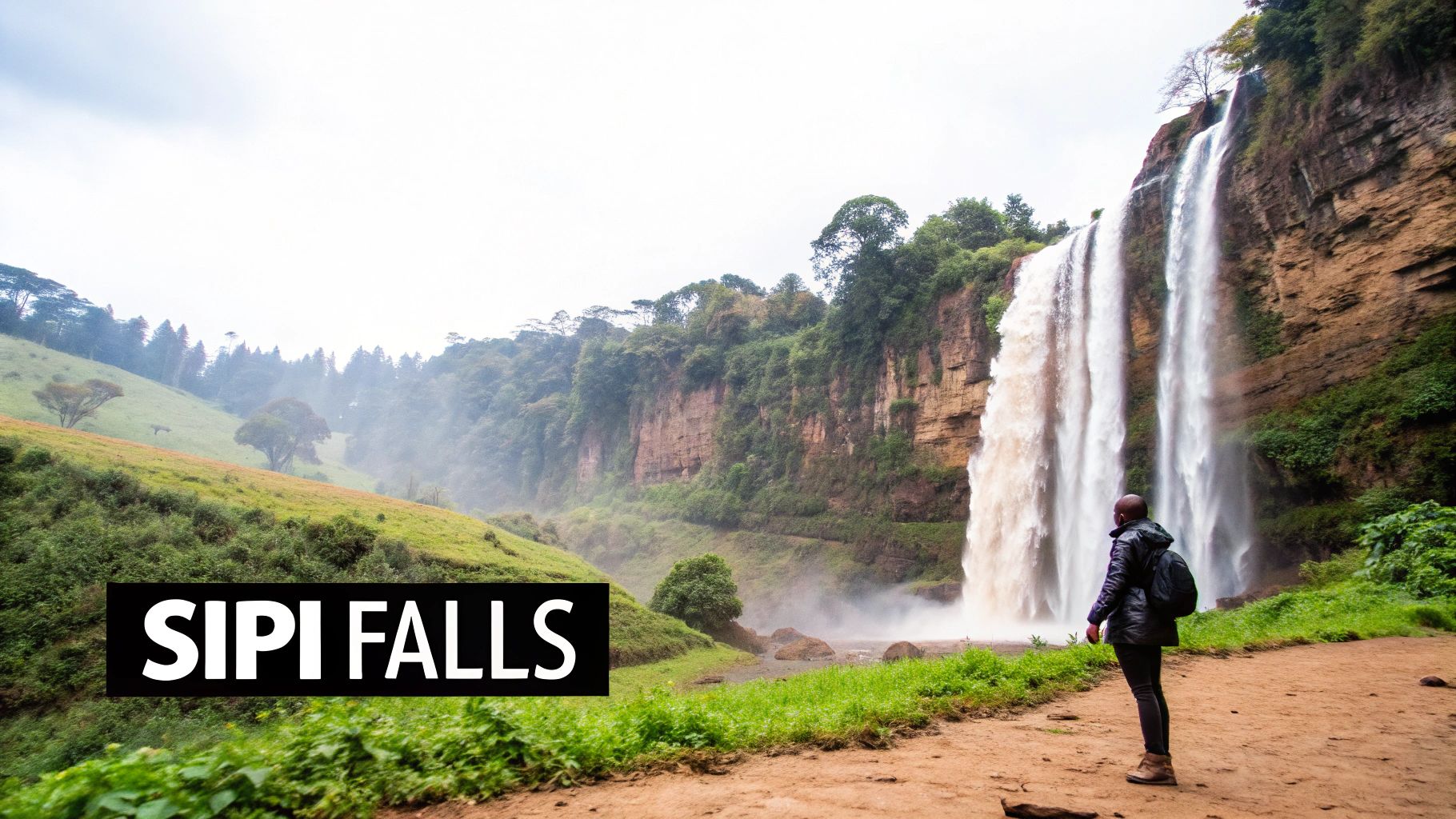
Visiting Sipi Falls offers one of Uganda's most stunning natural spectacles, featuring a series of three magnificent waterfalls cascading down the foothills of Mount Elgon. Located in the Kapchorwa District, this activity combines scenic hiking with cultural immersion, making it a refreshing and picturesque stop on any Ugandan itinerary. The experience is centered around exploring the falls through lush coffee plantations and vibrant local villages of the Sebei people.
The main attraction is a network of trails leading to each of the three falls, with hikes ranging from easy walks to more strenuous treks. The first and main waterfall is the most accessible, while reaching the second and third requires a more challenging hike through steep and sometimes muddy terrain. The reward is breathtaking views, the chance to stand in the cool mist of the falls, and an intimate look at rural life in eastern Uganda. This area provides a fantastic opportunity for both adventure and relaxation, making it a standout among the many things to do in Uganda.
Practical Tips for Your Hike
To make the most of your visit to Sipi Falls, proper planning is essential. The region's beauty can be fully enjoyed with the right preparation.
- Hire a Local Guide: A guide is highly recommended for navigating the trails safely and for gaining cultural insights into the Sebei community and their coffee-growing traditions.
- Wear Proper Footwear: Sturdy, waterproof hiking boots with good grip are crucial, as the paths can be steep, slippery, and muddy, especially near the waterfalls.
- Pack Accordingly: Bring a lightweight, water-resistant jacket to protect against the spray from the falls and potential rain. Carry plenty of drinking water and some snacks to stay energised.
For the best experience, consider staying overnight in the area. This allows you to explore all three falls at a comfortable pace and fully absorb the serene atmosphere. Starting your hikes early in the day helps you avoid the common afternoon showers and enjoy the trails with fewer crowds.
12-Item Comparison: Things to Do in Uganda
| Activity | Logistics / Complexity 🔄 | Resources & Cost ⚡ | Expected Outcome ⭐ / Impact 📊 | Ideal Use Cases 💡 | Key Advantages |
|---|---|---|---|---|---|
| Gorilla Trekking (Bwindi) | High — limited permits, advance booking, strenuous hikes 🔄🔄🔄 | High — permits & trip ~$1,500–$3,000; specialist gear ⚡⚡⚡ | Very high wildlife value; rare close encounters ⭐⭐⭐⭐⭐ / strong conservation impact 📊 | Conservation-focused travelers, experienced hikers seeking bucket-list wildlife | Only one of few places to see mountain gorillas; expert guides; direct conservation support |
| Chimpanzee Tracking (Kibale) | Moderate — early starts, guided treks, easier terrain 🔄🔄 | Moderate — permits/trip ~$200–$1,200; binoculars recommended ⚡⚡ | High sighting success; intimate primate encounters ⭐⭐⭐⭐ / good biodiversity 📊 | Primate enthusiasts, mid-budget wildlife visitors, combined tours | High success rate, more affordable than gorillas, longer encounters |
| White Water Rafting (Nile) | Moderate — operator-dependent, safety briefings, variable rapids 🔄🔄 | Low–Moderate — $80–$200 per person; safety gear provided ⚡⚡⚡ | High adrenaline experience; strong thrill value ⭐⭐⭐⭐ / activity impact moderate 📊 | Adventure seekers, groups, day-trippers | Multiple rapid classes, professional operators, easy to combine with other activities |
| Crater Lakes & Hiking | Low — flexible itineraries, less developed trails 🔄 | Low — $20–$40; local guides and basic hiking gear ⚡⚡ | Scenic, peaceful nature experience; good birding ⭐⭐⭐ / community support 📊 | Nature lovers, birdwatchers, low-crowd seekers | Quiet landscapes, affordable, supports local communities |
| Birdwatching (Semliki) | Moderate — remote access, pre-dawn starts, guided walks 🔄🔄 | Moderate — $300–$800; quality optics and guide advised ⚡⚡ | Exceptional avifauna (440+ species); high scientific/photography value ⭐⭐⭐⭐ / high impact for birders 📊 | Serious birders, photographers, researchers | Unique Congolian species, diverse habitats, boat & hot-spring combos |
| Lake Victoria & Fishing Communities | Low — accessible from Entebbe, variable operators 🔄 | Low — $100–$400; boat trips and guide costs ⚡⚡ | Cultural and scenic outcomes; education on livelihoods ⭐⭐⭐ / local economic impact 📊 | Cultural tourists, easy day trips, community-focused visitors | Authentic community interaction, accessible, affordable |
| Bungee & Adventure Sports (Jinja) | Low–Moderate — operator safety protocols, short activities 🔄🔄 | Moderate — $100–$300 per activity; safety equipment provided ⚡⚡⚡ | High thrill, short-duration experiences; repeatable ⭐⭐⭐⭐ / tourism boost 📊 | Thrill-seekers, combo-adventure days | Multiple activities in one spot, professional operators, scenic setting |
| Cultural Tours (Kampala) | Low — easy to arrange, city logistics (traffic) 🔄 | Low — $100–$400; entrance fees and guide ⚡⚡ | Educational cultural insight; accessible learning ⭐⭐⭐ / strong cultural impact 📊 | First-time visitors, history and culture enthusiasts | Wide range of sites, flexible schedules, good infrastructure |
| Mount Rwenzori Climbing | Very High — multi-day technical trek, altitude & weather risks 🔄🔄🔄🔄 | High — $1,500–$3,500; specialist gear, guides, porters ⚡ | Major achievement; unique alpine ecosystems; high personal reward ⭐⭐⭐⭐ / expedition-scale impact 📊 | Experienced mountaineers, multi-day expedition teams | Glaciers, varied ecosystems, less crowded than other peaks |
| Queen Elizabeth NP Safari | Moderate — multi-day logistics for full experience 🔄🔄 | Moderate–High — $800–$2,000 for 3–4 days; vehicle/boat fees ⚡⚡ | Broad wildlife viewing (elephants, lions, hippos) ⭐⭐⭐⭐ / high biodiversity impact 📊 | Classic safari-goers, families, birders | Diverse habitats, Kazinga Channel boat safaris, good infrastructure |
| Source of the Nile (Jinja) | Low — half-day tours, easy access by boat/kayak 🔄 | Low — $50–$150; kayak/boat operator fees ⚡⚡⚡ | Scenic & historical significance; easy photo ops ⭐⭐⭐ / educational impact 📊 | Short-excursion visitors, history buffs, combined-activity days | Iconic landmark, easy to combine with Jinja activities |
| Sipi Falls & Kapchorwa Hiking | Low–Moderate — variable trail difficulty, remote access 🔄🔄 | Low–Moderate — $200–$600 including guide/accommodation ⚡⚡ | Striking waterfalls and hikes; strong scenic/photography value ⭐⭐⭐ / local cultural impact 📊 | Hikers, photographers, cultural visitors | Multiple falls, coffee terraces, fewer crowds than major parks |
Planning Your Unforgettable Ugandan Adventure
Uganda, rightly celebrated as the 'Pearl of Africa', offers an extraordinary tapestry of experiences that few destinations can rival. As we have explored, the sheer variety of things to do in Uganda is staggering, seamlessly blending profound wildlife encounters with high-adrenaline adventures and deep cultural immersions. From the misty highlands of Bwindi, where the gentle eyes of a mountain gorilla meet yours, to the thundering rapids of the White Nile in Jinja, every corner of this nation presents a unique and compelling reason to visit.
This journey through Uganda’s highlights has shown that the country is far more than a single-story destination. You can stand in the presence of our closest primate relatives, tracking chimpanzees through the ancient Kibale Forest one day, and the next, find yourself marvelling at the raw power of Murchison Falls. Whether you are an avid birder seeking out the rare shoebill in the Semliki Valley, a mountaineer aspiring to conquer the mystical, snow-capped peaks of the Rwenzori Mountains, or a cultural enthusiast eager to explore Kampala’s vibrant markets and historical sites, Uganda delivers.
Key Takeaways for Your Ugandan Itinerary
To truly make the most of your adventure, thoughtful planning is essential. The activities you choose will shape your journey, so consider what kind of traveller you are and what experiences will resonate most deeply with you.
- For the Wildlife Enthusiast: Prioritise securing your gorilla and chimpanzee tracking permits well in advance, especially if travelling during the peak dry seasons (June to August and December to February). These permits are limited and in high demand. Combine these primate experiences with classic game drives in Queen Elizabeth or Murchison Falls National Parks for a comprehensive safari.
- For the Adrenaline Seeker: Base yourself in Jinja, East Africa's adventure capital. Here, you can tackle Grade 5 rapids while white-water rafting, take a leap of faith with a bungee jump over the Nile, or explore the surrounding landscape on a quad bike. These activities can often be booked closer to your travel date, but organising them beforehand ensures your spot.
- For the Nature and Culture Lover: Look beyond the headline attractions. The serene beauty of the crater lakes near Fort Portal, the stunning three-tiered Sipi Falls, and the rich cultural heritage of the fishing communities on Lake Victoria’s Ssese Islands offer a more intimate and equally rewarding Ugandan experience. These activities provide a fantastic balance to the more intense wildlife treks.
Turning Your Dream Trip into a Reality
The secret to a successful Ugandan adventure lies in preparation. Understanding the best time to travel is crucial; the dry seasons offer the most comfortable conditions for trekking and wildlife viewing, while the wet seasons (March to May and September to November) bring lush, green landscapes and fewer crowds.
Remember that Uganda’s geography is diverse, and travel between regions can take time. A well-structured itinerary that logically groups activities by location will minimise travel time and maximise your enjoyment. For example, you could focus on southwestern Uganda to combine Bwindi, Queen Elizabeth, and Kibale, or create an eastern itinerary centred around Jinja, Sipi Falls, and Mount Elgon. This approach creates a more relaxed and immersive journey.
Ultimately, the incredible list of things to do in Uganda is an invitation to discover a country of immense natural beauty, warm hospitality, and unforgettable moments. From the epic scale of its national parks to the quiet charm of its rural villages, Uganda promises a journey that will challenge, inspire, and stay with you long after you have returned home. The adventure of a lifetime is waiting for you in the heart of Africa.
Ready to start planning your Ugandan safari? HelloEastAfrica simplifies the process by connecting you directly with trusted, vetted local tour operators and accommodation providers. Browse customisable itineraries, compare quotes, and book your entire trip with confidence on HelloEastAfrica.
What will your Uganda trip cost?
Use the Uganda Trip Cost Calculator to see a realistic starting range before you ask for a human-checked quote.


Comment (0)