

The best places to visit in Uganda include Bwindi Impenetrable National Park for mountain gorilla trekking, Queen Elizabeth National Park for its tree-climbing lions, and Murchison Falls National Park for its powerful waterfall and classic safaris. Other top destinations are Kibale National Park, the primate capital of the world, and the Rwenzori Mountains for world-class trekking. These locations offer a unique mix of wildlife, adventure, and stunning landscapes.
This guide provides a detailed look at the top 10 destinations that define Uganda as the 'Pearl of Africa'. We will explore each location, covering key activities and practical tips to help you plan your adventure. Whether you are seeking gorilla encounters, classic savanna safaris, or serene natural beauty, this list will equip you with actionable information for an unforgettable journey. For seamless planning, explore options on our HelloEastAfrica platform. Let’s dive into the incredible diversity that awaits you.
1. Bwindi Impenetrable National Park
Bwindi Impenetrable National Park is undeniably one of the best places to visit in Uganda, offering a rare and profound wildlife encounter. This UNESCO World Heritage Site is a vast expanse of ancient, misty rainforest, but its global fame comes from being home to almost half of the world's remaining mountain gorillas. Trekking to see these gentle giants in their natural habitat is a transformative experience that anchors any Ugandan itinerary.
The park's immense biodiversity extends beyond gorillas, featuring chimpanzees, L'Hoest's monkeys, and over 350 bird species, including 23 Albertine Rift endemics. The sheer density and age of the forest, with its giant ferns and towering trees, create a primeval atmosphere that feels untouched by time. This unique combination of accessible primate encounters and pristine, ancient wilderness solidifies its top position.
Why Visit Bwindi?
- Unmatched Gorilla Trekking: The primary reason to visit is the opportunity to track a habituated gorilla family. Spending an hour in their presence is an intimate and unforgettable wildlife experience.
- Exceptional Biodiversity: Besides gorillas, the park is a haven for birdwatchers and nature lovers, offering guided nature walks to discover waterfalls, butterflies, and other primate species.
- Cultural Engagement: You can visit local Batwa community projects to learn about their ancient forest culture and traditions, providing a deeper understanding of the region's human history.
Practical Tips for Your Trek
To ensure a successful visit, meticulous planning is key. Gorilla trekking permits are limited and in high demand, so booking them at least six months in advance, especially for the peak dry seasons (June-September, December-February), is essential. When packing, prioritise waterproof hiking boots, layered clothing for fluctuating temperatures, and rain gear. The terrain is challenging, so hiring a porter not only assists you but also directly supports the local community. For a comfortable stay, explore the diverse range of lodges and hotels near Bwindi Impenetrable National Park.
2. Mgahinga Gorilla National Park
Mgahinga Gorilla National Park is an exceptional destination and one of the best places to visit in Uganda for its unique blend of volcanic landscapes, rare wildlife, and profound cultural heritage. Nestled in the southwestern corner of the country, it forms part of the larger Virunga Conservation Area, sharing borders with Rwanda and the Democratic Republic of Congo. While it is Uganda's smallest national park, its dramatic scenery, created by the three conical volcanoes of Muhabura, Gahinga, and Sabyinyo, is truly breathtaking.
The park is famous for protecting a significant population of mountain gorillas and offers a more intimate trekking experience due to its single habituated gorilla family. Beyond the gorillas, Mgahinga is a critical habitat for the endangered golden monkey, a vibrant primate found only in this high-altitude region. This combination of rare primates, stunning volcanic peaks, and deep cultural connections with the indigenous Batwa people makes it a compelling and multi-faceted destination for any traveller.
Why Visit Mgahinga?
- Intimate Gorilla and Golden Monkey Tracking: The park offers a less crowded alternative for gorilla trekking and is one of the few places in the world where you can track the beautiful golden monkeys.
- Volcano Hiking: Adventurous visitors can undertake challenging but rewarding hikes up one of the three volcanoes, offering panoramic views across Uganda, Rwanda, and the DRC from their summits.
- Authentic Batwa Cultural Trail: Engage in a moving cultural experience led by the Batwa people, who demonstrate their ancient forest-dwelling traditions, survival skills, and sacred history within the park.
Practical Tips for Your Trek
Careful planning is crucial for a rewarding visit to Mgahinga. Gorilla and golden monkey permits must be booked well in advance through the Uganda Wildlife Authority, especially during the peak dry seasons from June to September and December to February. Given the park’s high altitude, pack warm, layered clothing, waterproof gear, and sturdy hiking boots. Hiring a local porter is highly recommended for the steep treks. For those looking to create a broader regional itinerary, a visit can easily be combined with an exploration of Rwanda's nearby Volcanoes National Park for a comprehensive Virunga experience.
3. Queen Elizabeth National Park
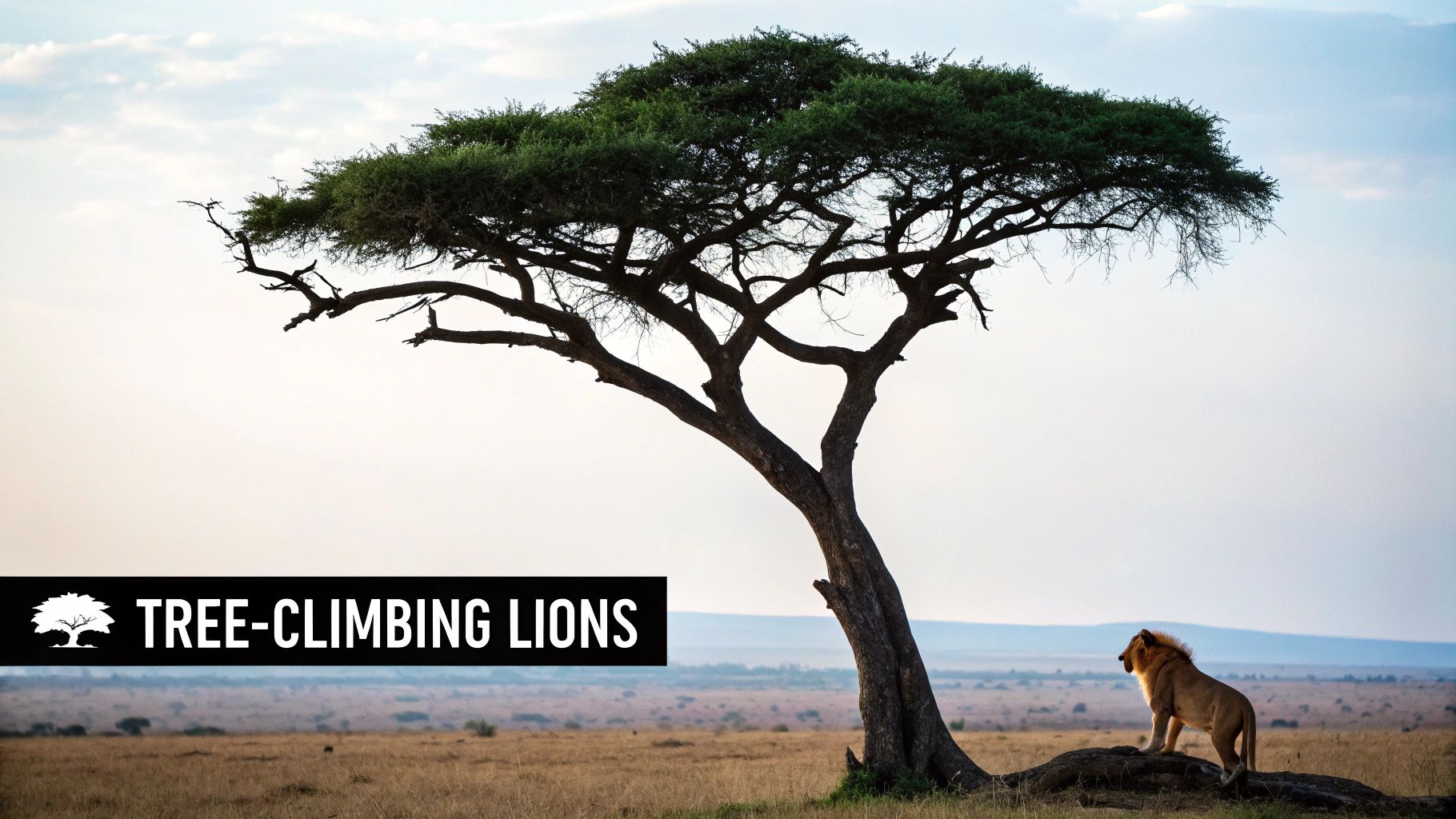
Queen Elizabeth National Park is arguably Uganda’s most popular and scenic savanna reserve, making it one of the best places to visit in Uganda for classic wildlife viewing. Spanning diverse ecosystems from sprawling savanna and shady forests to sparkling lakes and fertile wetlands, this park offers a quintessential East African safari experience. Its fame is built on a rich tapestry of wildlife, including the iconic tree-climbing lions of the Ishasha sector, which are a rare and captivating sight.
The park’s incredible biodiversity is its greatest draw, boasting nearly 100 mammal species and an astounding list of over 600 bird species, one of the highest of any protected area in Africa. The Kazinga Channel, a natural waterway connecting Lake Edward and Lake George, is teeming with one of the world's largest concentrations of hippos and Nile crocodiles. This combination of classic big-game viewing, unique animal behaviours, and breathtaking landscapes ensures its place as a must-visit destination.
Why Visit Queen Elizabeth National Park?
- Iconic Tree-Climbing Lions: The southern Ishasha sector offers the rare opportunity to see entire prides of lions lounging in the branches of large fig trees, a unique behaviour not commonly seen elsewhere.
- Kazinga Channel Boat Cruise: A launch trip along the Kazinga Channel is a highlight, providing spectacular, close-up views of hippos, buffaloes, elephants, and a vast array of water birds.
- Exceptional Birdwatching: With over 600 recorded species, the park is a birder's paradise, offering everything from savanna species to water birds and forest dwellers.
Practical Tips for Your Safari
For the best wildlife sightings, plan your game drives for the early morning and late afternoon when animals are most active. The boat tour on the Kazinga Channel is best experienced in the afternoon for optimal lighting and animal activity. The peak dry seasons (June-August and December-February) offer the most reliable game viewing conditions. For an immersive experience, consider staying at one of the many lodges inside the park. To make the most of your adventure, explore some of the expertly guided safaris and tours available in Queen Elizabeth National Park that handle all the logistics for you.
4. Rwenzori Mountains National Park
Rwenzori Mountains National Park is one of the best places to visit in Uganda for serious trekkers and mountaineers, offering an otherworldly alpine adventure. Known as the "Mountains of the Moon," this UNESCO World Heritage Site protects Africa's third-highest mountain range, a mystical landscape of mist-shrouded peaks, giant lobelias, and equatorial glaciers. Its highest point, Margherita Peak on Mount Stanley, stands at 5,109 metres, presenting a formidable challenge for even experienced climbers.
The park's unique high-altitude ecosystem is its main draw. Unlike other African mountains, the Rwenzoris are not volcanic but are a block of rock uplifted by faulting. This has created a bizarre and beautiful world of boggy valleys, vibrant mosses, and unique flora that feels prehistoric. The combination of its stunning, glacier-carved scenery and its status as a top-tier trekking destination secures its place on any comprehensive Ugandan travel list.
Why Visit the Rwenzoris?
- World-Class Mountaineering: The main attraction is the opportunity to tackle challenging multi-day treks, including the summit of Margherita Peak, which requires technical climbing skills and proper acclimatisation.
- Unique "Afro-Alpine" Flora: The park is famous for its surreal vegetation, including giant groundsels and lobelias, creating a landscape that looks like it's from another planet.
- Exceptional Scenery: Trekkers are rewarded with breathtaking views of glaciers, pristine lakes, and dramatic valleys, offering unparalleled photographic opportunities and a profound sense of wilderness.
Practical Tips for Your Trek
A trek in the Rwenzoris demands rigorous preparation and expert guidance. All climbs must be undertaken with certified local guides, and it is crucial to acclimatise for at least three days before attempting higher altitudes. Only attempt a trek during the dry seasons (June-August and December-January) to avoid treacherous conditions. Proper mountaineering equipment, including crampons and ice axes for summit attempts, is non-negotiable. Extensive physical training before your trip is essential, as is carrying high-calorie food and a reliable hydration system. Hiring local porters is highly recommended to help carry your gear and support the local economy. For more details on this challenging adventure, explore a range of activities in Rwenzori Mountains National Park.
5. Murchison Falls National Park
Murchison Falls National Park is unequivocally one of the best places to visit in Uganda, offering a classic safari experience defined by its dramatic landscapes and abundant wildlife. As Uganda's largest national park, it is bisected by the mighty River Nile, which spectacularly bursts through a narrow 7-metre gorge to create the thunderous Murchison Falls. This powerful natural centrepiece, combined with sprawling savannahs, lush woodlands, and riverine forests, creates a diverse habitat for an incredible array of animals.
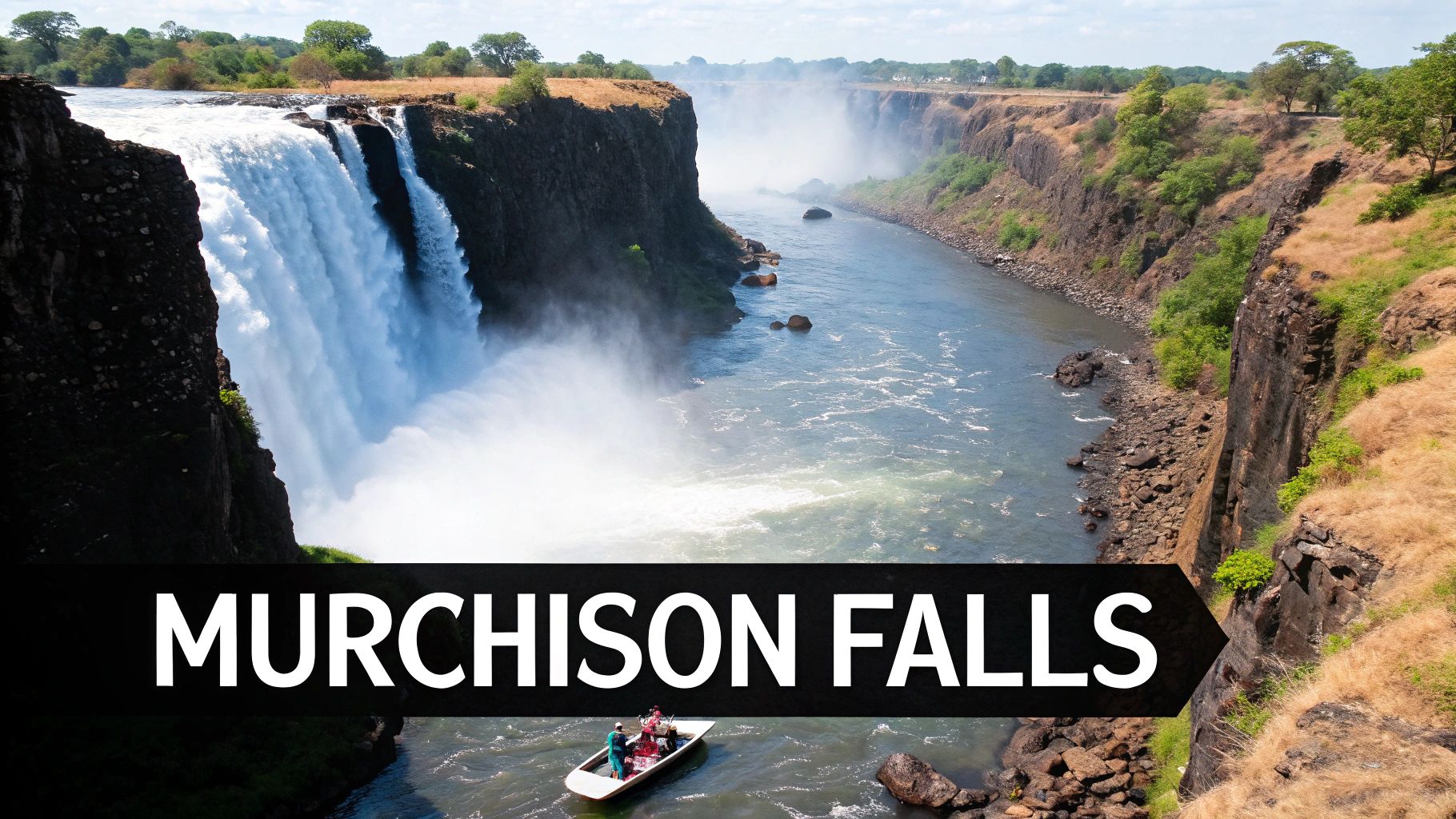
The park is home to over 76 mammal species, including lions, leopards, elephants, giraffes, and vast herds of buffalo, alongside one of Uganda's largest hippopotamus and crocodile populations. Its rich avian life, boasting over 451 recorded bird species, includes the rare and sought-after shoebill stork. The unique blend of a powerful waterfall, a scenic river safari, and classic big game viewing solidifies its reputation as a premier Ugandan destination.
Why Visit Murchison Falls?
- The Spectacular Falls: Witnessing the sheer power of the Nile River as it forces its way through the narrow gorge is a breathtaking and unforgettable highlight of any visit.
- Diverse Safari Activities: The park offers a perfect combination of land and water safaris. Enjoy morning game drives on the northern bank and an afternoon boat cruise to the base of the falls.
- Exceptional Wildlife Viewing: It is one of the best locations in Uganda to see four of the "Big Five" (rhinos are absent but can be seen at the nearby Ziwa Rhino Sanctuary), along with the elegant Rothschild's giraffe.
Practical Tips for Your Safari
For the best wildlife sightings, plan your visit during the dry seasons from December to February or June to September, when animals congregate around water sources. A boat safari on the Nile is non-negotiable; it provides unparalleled opportunities to see hippos, crocodiles, elephants, and a plethora of water birds up close. For game drives, an early start or a late afternoon excursion typically yields the most animal activity. Always use a licensed guide for safety and to benefit from their expert knowledge in locating wildlife. It is also advisable to book your accommodation in or near Murchison Falls National Park well in advance, especially during peak seasons.
6. Lake Mburo National Park
Lake Mburo National Park stands out as one of the best places to visit in Uganda due to its unique combination of accessibility, diverse wildlife, and intimate safari experiences. As the country's most compact savanna park, its scenic landscape of rolling hills, acacia woodlands, and shimmering lakes offers a tranquil alternative to larger reserves. It is the only park in western Uganda where you can see the elegant impala and one of the best places to spot Burchell's zebra and eland.
What truly sets Lake Mburo apart are the activities offered. Because it lacks major predators like lions and elephants, the park is a safe haven for walking safaris, horseback riding, and mountain biking amidst the wildlife. This allows for a much closer and more personal connection with nature, making it an exceptional stop for those seeking adventure beyond the traditional game drive. The park's rich biodiversity also includes over 350 bird species, hippos, crocodiles, and buffaloes, often seen along the lake's shores.
Why Visit Lake Mburo?
- Unique Safari Activities: Go beyond the vehicle with guided walking safaris, horseback riding tours, and cycling, offering an unparalleled perspective of the savanna and its inhabitants.
- Rich Wildlife Viewing: The park is a sanctuary for plains game, including massive herds of zebra, impala, eland, topi, and buffalo. It's also an excellent spot for night drives to see leopards and hyenas.
- Cultural Immersion: Engage with the local Bahima pastoralists in nearby communities to learn about their traditional cattle-keeping culture, particularly the iconic long-horned Ankole cattle.
Practical Tips for Your Visit
To make the most of your trip, timing and preparation are important. The dry seasons (June-September, December-February) offer the best conditions for game viewing and activities as animals congregate around water sources. Booking a walking safari for dawn or dusk provides the best light for photography and cooler temperatures. For an unforgettable experience, combine your visit with a boat trip on the lake to see hippos, crocodiles, and water birds up close. Always carry sun protection and insect repellent, as much of the park is exposed.
7. Kibale National Park
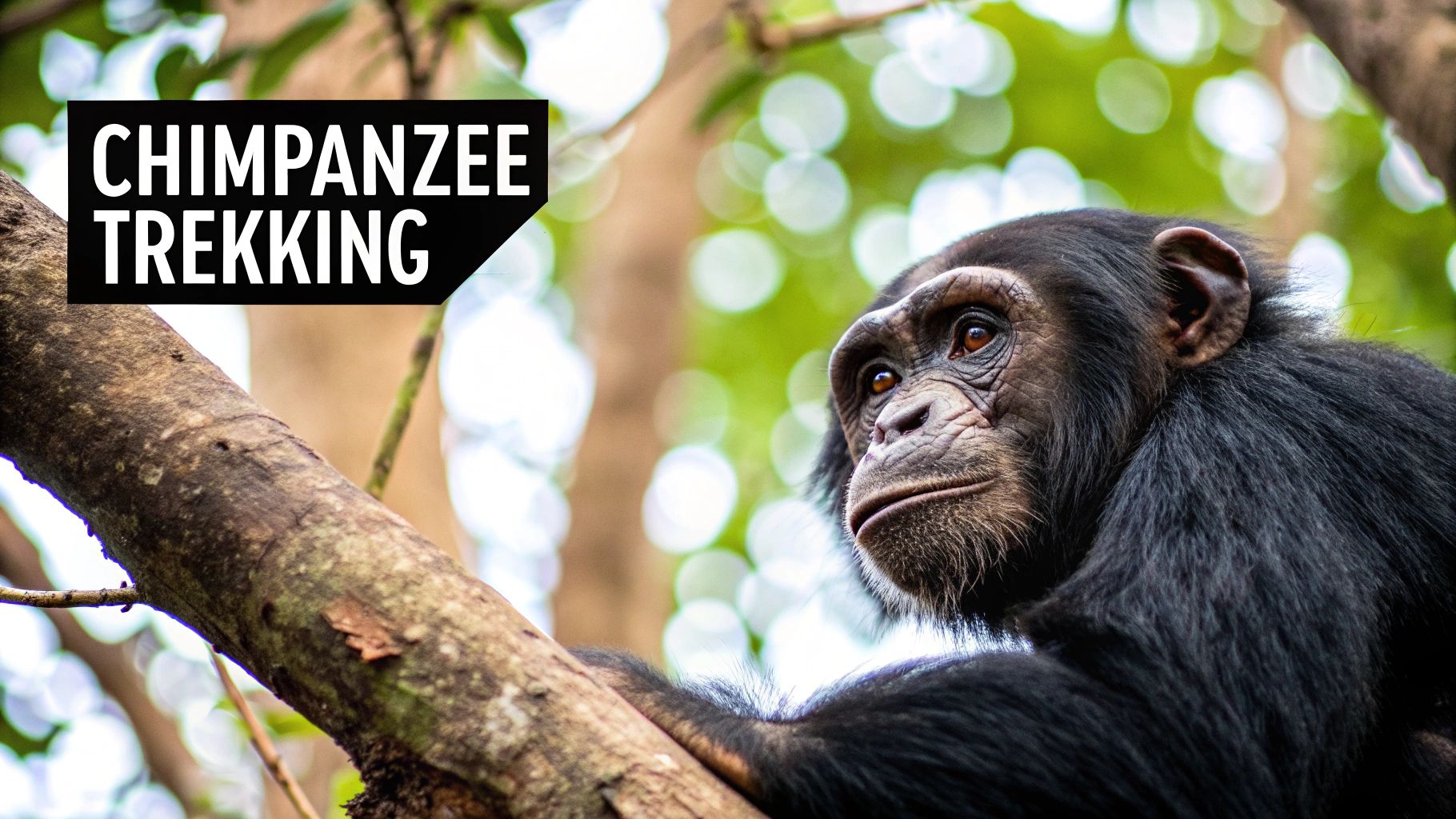
Kibale National Park is renowned as the "Primate Capital of Uganda" and is an essential destination for anyone wanting to experience the country's incredible forest wildlife. This lush tropical and subtropical forest is home to an astonishing 13 primate species, but its primary draw is offering one of the most reliable and exhilarating chimpanzee tracking experiences in all of East Africa. Tracking our closest living relatives through the dense undergrowth is an adventure that solidifies Kibale as one of the best places to visit in Uganda.
Beyond its famous chimpanzees, the park's rich ecosystem supports over 60 mammal species, including elusive forest elephants and buffalo, and more than 370 bird species, making it a paradise for ornithologists. The vibrant chorus of forest life, from the calls of primates to the flutter of countless butterflies, creates an immersive and unforgettable natural soundscape. This dense concentration of primate life and overall biodiversity makes Kibale a truly unique and compelling stop.
Why Visit Kibale?
- World-Class Chimpanzee Tracking: Kibale offers an exceptionally high chance of sighting habituated chimpanzee communities. The experience of observing them as they play, groom, and swing through the forest canopy is profoundly moving.
- Extraordinary Primate Diversity: In addition to chimpanzees, you can spot red colobus monkeys, L'Hoest's monkeys, grey-cheeked mangabeys, and olive baboons, often on a single guided walk.
- Rich Birdwatching Opportunities: The park is a top birding destination, with notable species like the Green-breasted Pitta being a prized sighting for enthusiasts. Guided walks reveal the forest's avian treasures.
Practical Tips for Your Trek
To make the most of your visit, forward planning is crucial. Chimpanzee tracking permits are in high demand and should be booked at least two to three months in advance, particularly for the dry seasons (June-September, December-February). For the trek, wear sturdy, waterproof hiking boots and dress in layers, including rain gear, as the forest weather is unpredictable. Treks often start very early, around 5:30 AM, to catch the chimps at their most active. Hiring a local guide is highly recommended; they possess invaluable knowledge of the terrain and animal behaviour, significantly enhancing your experience and safety.
8. Lake Victoria
As Africa's largest lake and the world's second-largest freshwater body, Lake Victoria is a vast inland sea that offers a serene and culturally rich counterpoint to Uganda's savanna safaris and mountain treks. Its immense, tranquil waters and lush shoreline create a distinct atmosphere, making it one of the best places to visit in Uganda for relaxation, water-based activities, and cultural immersion. The lake is not just a geographical marvel; it is the lifeblood for millions, with bustling fishing villages and tranquil island retreats dotting its Ugandan shores.
The lake's Ugandan side, particularly around Entebbe and Jinja, provides a perfect setting for unwinding after an adventurous itinerary. Its expansive horizon delivers some of the most spectacular sunsets in the country, painting the sky in fiery hues over the calm water. From laid-back beach days and boat cruises to exploring remote islands, Lake Victoria offers a diverse range of experiences that showcase a different, more placid side of the Pearl of Africa.
Why Visit Lake Victoria?
- Island Escapes: The Ssese Islands archipelago offers 84 islands of stunning, palm-fringed beaches, providing a tropical-like paradise for ultimate relaxation, nature walks, and quad biking.
- Cultural Encounters: A visit to local fishing villages provides an authentic glimpse into the daily lives of communities that depend on the lake, offering opportunities for meaningful cultural exchange.
- Water Sports and Recreation: The areas around Entebbe and Jinja are hubs for activities like sport fishing for the legendary Nile Perch, sunset cruises, kayaking, and even jet skiing for the more adventurous.
Practical Tips for Your Visit
To make the most of your time, plan your activities based on your location. The Ssese Islands are best reached by ferry from Entebbe, and accommodation should be booked in advance, especially during peak seasons. For a more authentic experience, hire a local guide for a boat tour to a fishing village. When relaxing by the shore in towns like Entebbe, enjoy a meal at a waterfront restaurant for the best sunset views. Always pack sun protection, including a hat and sunscreen, as the equatorial sun is strong, and consider bringing water shoes for rocky beach areas.
9. Fort Portal and Crater Lakes
Fort Portal is one of the best places to visit in Uganda for its breathtaking scenery and serene atmosphere. This charming town, often called the tourism capital, serves as a gateway to a landscape dotted with over 50 stunning crater lakes and the legendary Rwenzori Mountains. The region offers a perfect blend of natural beauty, cultural heritage, and adventure, making it an essential stop for travellers seeking both relaxation and exploration.
The area's main draw is the incredible cluster of crater lakes, each offering a unique character against a backdrop of lush, rolling hills and verdant tea plantations. These ancient volcanic features provide a tranquil setting for activities like hiking, swimming, and canoeing. Fort Portal's clean, organised feel and cool climate make it a pleasant base from which to explore nearby attractions, including the chimpanzee haven of Kibale National Park.
Why Visit Fort Portal and the Crater Lakes?
- Stunning Scenery: The region is renowned for its dramatic landscapes, from the shimmering crater lakes to the vast, manicured tea estates that carpet the hillsides.
- Outdoor Activities: Enjoy a variety of adventures, including hiking to the "Top of the World" viewpoint for panoramic views, swimming in the clear waters of Lake Nkuruba, and canoeing on Lake Nyinambuga.
- Cultural Immersion: Explore the history of the Tooro Kingdom by visiting the Karuzika Palace or engage with the local community at bustling markets and charming roadside stalls.
Practical Tips for Your Visit
To make the most of your trip, consider hiring a local guide or a "boda-boda" (motorcycle taxi) to navigate the scenic routes between the lakes. Always check locally before swimming to ensure the lake is safe and bilharzia-free. For a full-day adventure, pack a picnic to enjoy by the water's edge. This region is an excellent base for broader exploration; you can find more details by exploring a variety of lodges and attractions in Uganda. Combining your visit with chimpanzee trekking in nearby Kibale National Park creates a truly comprehensive Western Uganda experience.
10. Sipi Falls
Sipi Falls is one of the best places to visit in Uganda for its breathtaking natural beauty and rich cultural immersion. Located on the foothills of Mount Elgon in the country's eastern region, this destination features a series of three spectacular waterfalls cascading down dramatic cliffs. The main fall plunges nearly 100 metres, creating a stunning spectacle and a cool, misty microclimate perfect for adventure and relaxation.
The area surrounding Sipi Falls is as captivating as the cascades themselves. It is the heartland of Uganda's premium Arabica coffee, grown on the fertile volcanic slopes of Mount Elgon by the local Bagisu community. A visit here offers a unique blend of scenic hikes, invigorating waterfall showers, authentic coffee experiences, and genuine cultural interactions. This combination of adventure, culture, and stunning scenery secures its spot as a must-see Ugandan gem.
Why Visit Sipi Falls?
- Stunning Waterfall Hikes: The primary activity is hiking to all three waterfalls. Each trail offers a different perspective and level of challenge, rewarding hikers with incredible views and the chance to stand directly behind the main cascade.
- Authentic Coffee Tours: You can participate in a "bean-to-cup" coffee tour led by local farmers. This hands-on experience involves picking, processing, roasting, and grinding your own coffee the traditional way.
- Cultural Immersion: The region is home to the Bagisu people. Hiring a local guide provides deep insights into their customs, traditions, and daily life in the villages dotting the hillsides.
Practical Tips for Your Visit
To make the most of your trip, plan your activities around the weather and local culture. Engage a guide from the Sipi Falls community; their expertise is invaluable for navigating the sometimes steep and muddy trails, and they can offer authentic cultural insights. Wear sturdy, waterproof hiking boots, as the paths can be slippery, especially near the misty falls. An early morning start for hikes and coffee tours is recommended to avoid afternoon crowds and experience the farms at their most active. Staying in one of the locally-run guesthouses provides a deeper connection to the community and often comes with the best views.
Top 10 Uganda Destinations Comparison
| Park | Access & Complexity 🔄 | Cost & Requirements ⚡ | Experience Quality ⭐ | Ideal Use Cases 📊 | Key Advantages 💡 |
|---|---|---|---|---|---|
| Bwindi Impenetrable National Park | Remote: 8–10h drive or flight to Kisoro; strenuous 4–8h jungle treks; controlled permits | High: USD 800 gorilla permit; book 3–6 months ahead; waterproof gear required | ⭐⭐⭐⭐⭐ — premier gorilla encounters, exceptional biodiversity | Gorilla trekking, birdwatching, conservation-focused trips | Half of world’s mountain gorillas; well-organized permits; multiple trekking sectors; 💡book early |
| Mgahinga Gorilla National Park | Near Kisoro; volcanic hikes; smaller park with less infrastructure | Moderate-high: USD ~750–800 permits; advance booking advised; warm clothing for altitude | ⭐⭐⭐⭐ — quality gorilla experience but fewer habituated groups | Quieter gorilla trek, volcano hiking, Batwa cultural experiences | Less crowded; excellent scenery; good tri-border base; 💡combine with Rwanda |
| Queen Elizabeth National Park | Easily accessible from Fort Portal/Kampala; developed tourism; some 4WD tracks | Moderate: varied activity costs (game drives, boat tours); flexible booking | ⭐⭐⭐⭐ — abundant wildlife, unique tree-climbing lions, high bird diversity | Classic safari, boat safaris, birding, family trips | Multiple activities and infrastructure; Kazinga Channel boat trips; 💡do early drives & late-afternoon boat |
| Rwenzori Mountains National Park | Kasese access; expert multi-day mountaineering routes; high-altitude logistics | High: mandatory certified guides, technical gear, acclimatization required | ⭐⭐⭐⭐ — spectacular alpine scenery and endemic flora (challenging access) | Serious mountaineering, alpine biodiversity, skilled trekking | Unique Afroalpine zones and high peaks; fewer tourists; 💡acclimatize and hire certified guides |
| Murchison Falls National Park | 4–5h drive from Kampala; large park with mixed accessibility; boat/road combos | Moderate: park fees plus optional boat safari and guided drives; bookings recommended | ⭐⭐⭐⭐ — strong wildlife concentrations and dramatic river scenery | Big-game safaris, river/boat safaris, birdwatching | Vast wilderness, Nile gorge & boat safaris; 💡combine game drives with Nile boat trip |
| Lake Mburo National Park | Close (4–5h from Kampala); compact and accessible; walking/horseback routes | Low: affordable park entry; good value for budget travelers | ⭐⭐⭐ — intimate wildlife encounters; best for close, short excursions | Walking safaris, horseback riding, budget short trips | Walking safaris & horseback options; accessible and affordable; 💡book dawn walks |
| Kibale National Park | Near Fort Portal; forest treks can be muddy and humid; variable trail difficulty | Moderate: chimpanzee permits ~USD 200 (book 2–3 months); waterproof gear | ⭐⭐⭐⭐ — one of the best chimp trekking experiences in East Africa | Chimpanzee trekking, primate-focused tours, combined Fort Portal itineraries | High chimp habituation and primate diversity; 💡start treks early and be flexible |
| Lake Victoria | Very accessible from Kampala/Entebbe; developed resorts and transport links | Variable: resort prices range widely; boat tours and activities bookable | ⭐⭐ — relaxation and recreation more than wildlife spectacle | Beach resorts, water sports, island retreats, cultural village visits | Proximity to Entebbe & airports; Ssese Islands retreats; 💡visit Ssese Islands for quieter beaches |
| Fort Portal & Crater Lakes | 4–5h from Kampala; easy day trips; some trails poorly marked | Low: affordable local costs; guided hikes recommended | ⭐⭐⭐ — scenic crater landscapes and cultural experiences | Scenic walks, cultural visits, base for Kibale/Rwenzori trips | Many crater lakes, tea plantations, colonial town base; 💡hire local guides |
| Sipi Falls | 1–2h from Mbale; waterfall hikes with steep/muddy trails; remote feel | Low-moderate: local guides and basic accommodation; bring waterproofs | ⭐⭐⭐ — dramatic falls, coffee-culture experiences | Waterfall hikes, coffee plantation tours, cultural immersion | Spectacular waterfalls and coffee tours; less crowded; 💡hire Bagishu guides and wear sturdy boots |
Planning Your Unforgettable Ugandan Adventure
Uganda, rightly celebrated as the "Pearl of Africa," offers a kaleidoscope of breathtaking landscapes, rare and magnificent wildlife, and deeply enriching cultural encounters. As we have journeyed through this guide, from the mist-shrouded peaks of the Rwenzori Mountains to the thunderous cascade of Murchison Falls, it's clear that this nation presents an unparalleled adventure. The sheer diversity packed into this compact country means your itinerary can be as varied as the terrain itself, promising an experience that is both profoundly personal and utterly unforgettable.
The best places to visit in Uganda are not just dots on a map; they are vibrant ecosystems and communities, each offering a unique story. Whether you are trekking through the ancient Bwindi Impenetrable Forest to meet the gentle eyes of a mountain gorilla, tracking chimpanzees in the lush canopies of Kibale National Park, or cruising along the Kazinga Channel in Queen Elizabeth National Park amidst hippos and elephants, you are stepping into a world teeming with life. The adventure extends beyond wildlife, inviting you to stand in awe of the dramatic Sipi Falls or explore the serene beauty of the crater lakes near Fort Portal.
Key Takeaways for Your Ugandan Safari
To transform this list from inspiration into a tangible travel plan, it is crucial to focus on the practical details. The destinations covered, including Mgahinga Gorilla National Park and Lake Mburo National Park, each require careful consideration to maximise your experience.
Here are the essential takeaways to guide your planning:
- Timing is Everything: Uganda's two dry seasons, from June to September and December to February, offer the most favourable conditions. During these months, wildlife is easier to spot near water sources, and trekking paths for gorillas and chimpanzees are less muddy and more accessible.
- Permits are Non-Negotiable: The demand for gorilla and chimpanzee trekking permits is exceptionally high. To avoid disappointment, you must book these permits at least six months to a year in advance, especially if you plan to travel during the peak seasons.
- Embrace the Journey: Distances between national parks can be significant, and road conditions vary. Instead of rushing, embrace the travel days as part of the adventure. These journeys offer a genuine glimpse into rural Ugandan life, with vibrant markets, smiling faces, and stunning scenery unfolding outside your window.
- Pack Smartly and Responsibly: Your packing list should be practical. Include lightweight layers for warm days and cool evenings, sturdy waterproof hiking boots, insect repellent containing DEET, and neutral-coloured clothing for safaris. Remember to pack any personal medications and a basic first-aid kit.
Crafting Your Personalised Itinerary
The true magic of a Ugandan adventure lies in creating a journey that aligns perfectly with your interests. You don't have to choose just one experience; the key is to combine them thoughtfully. A well-structured itinerary can seamlessly blend the thrill of primate tracking with classic big game drives, boat safaris, and cultural immersion.
Consider these itinerary-building tips:
- Identify Your Priorities: Are you a primate enthusiast first and foremost? Or is birdwatching your passion? Perhaps you are an avid hiker keen to conquer a mountain. Pinpointing your "must-do" activities will form the backbone of your trip.
- Create a Logical Route: Group destinations that are geographically close to minimise travel time. For instance, a southwestern circuit could logically connect Lake Mburo, Bwindi, and Queen Elizabeth National Park. Similarly, a northern circuit might focus on Murchison Falls and Kidepo Valley.
- Allow for Downtime: It can be tempting to pack every moment with activities, but this can lead to exhaustion. Schedule moments to simply relax at your lodge, absorb the incredible views, and reflect on your experiences. The tranquil shores of Lake Victoria or the scenic crater lakes are perfect for this.
Ultimately, planning a trip to Uganda is about preparing for an adventure that will engage all your senses and leave an indelible mark on your soul. The effort you invest in organising your journey will be repaid tenfold in cherished memories, from the powerful roar of a lion at dawn to the quiet, profound connection felt in the presence of a gorilla family.
Ready to turn your dream Ugandan safari into a reality? HelloEastAfrica connects you directly with trusted, vetted local tour operators to help you build a customised itinerary. Explore tour packages, compare quotes, and plan your perfect adventure to the best places to visit in Uganda with expert local guidance at HelloEastAfrica.
What will your Uganda trip cost?
Use the Uganda Trip Cost Calculator to see a realistic starting range before you ask for a human-checked quote.


Comment (0)