
A Rwanda gorilla tour is a once-in-a-lifetime journey into Volcanoes National Park to spend one hour with a family of mountain gorillas. Planning this adventure requires securing a USD 1,500 permit, choosing the right time to visit (preferably the dry seasons from June-September or December-February), and booking accommodation near the park. The experience is meticulously organised, supports world-class conservation, and is easily accessible via a short drive from Kigali International Airport.
Why Choose Rwanda for Your Gorilla Trekking Adventure
Putting together a gorilla trekking trip can feel a bit like assembling a complex puzzle. Every piece, from booking your permit to picking the right hiking boots, brings you one step closer to that magical moment. Rwanda, however, has made this puzzle remarkably straightforward. They’ve laid out all the pieces for you, making the entire process smooth and well-organised.
One of Rwanda's biggest draws is its sheer convenience. The country is compact, with fantastic roads. Volcanoes National Park is just a beautiful two-to-three-hour drive from Kigali International Airport. This is a world away from the much longer and more complicated journeys you might face elsewhere. It means you can land in the morning and be relaxing near the gorillas' forest home by the afternoon. To get a fuller picture of what the country has to offer, take a look at our comprehensive guide to Rwanda.
A Model of Conservation and Community Support
Rwanda has built its gorilla tourism around a powerful idea: sustainability and high-value experiences. This isn't just about showing you the gorillas; it's about making you a participant in their survival. This commitment is woven into every aspect of their tourism model, which has become a shining example for conservation efforts worldwide.
The finances behind Rwanda gorilla tours are intentionally structured to fuel this mission. In 2023, tourism revenue from gorilla trekking brought in over USD 500 million, and the permit fee is the engine driving this success. While the USD 1,500 permit is the most expensive in the region, that price tag serves a purpose: it keeps the experience exclusive and low-impact.
Even more importantly, a full 10 percent of that revenue is channelled directly back into the local communities surrounding the park. This money builds schools, funds health clinics, and creates a genuine partnership between the people and the wildlife.
The real magic of a Rwandan gorilla tour isn't just the hour you spend with the gorillas. It's knowing that your presence contributes directly to their survival and to the well-being of the communities who are their neighbours.
This creates a powerful, self-sustaining cycle:
- An Exclusive Experience: The higher permit cost naturally limits the number of daily visitors. This means less stress on the gorilla families and a much more personal, respectful encounter for you.
- Direct Funding for Conservation: A large chunk of the revenue pays for anti-poaching patrols, veterinary care, and habitat monitoring—efforts that have been instrumental in helping the mountain gorilla population rebound.
- Community Empowerment: By sharing the profits, the programme gives local people a tangible reason to protect the park. They become the gorillas' staunchest allies.
When you choose Rwanda for your gorilla trek, you're signing up for an adventure that is as meaningful as it is memorable. You're not just a tourist; you're a partner in one of the planet's greatest conservation success stories.
Before we dive deeper, here's a quick overview to help you get started with the planning process.
Rwanda Gorilla Tour Planning At a Glance
This table breaks down the essential components and their associated costs, giving you a clear snapshot of what to expect when planning your trip.
| Planning Step | Key Detail | Estimated Cost (USD) |
|---|---|---|
| Gorilla Permit | A mandatory permit is required for each person per trek. | $1,500 per person |
| Accommodation | Lodge prices vary from mid-range to high-end luxury. | $300 – $2,500+ per night |
| Transport | Includes airport transfers and travel to the park headquarters. | $100 – $200 per day |
| Guides & Porters | A guide is included with your permit; porters are optional but highly recommended. | $20 – $30 per porter |
| Flights | International flights to Kigali International Airport (KGL). | $800 – $2,000+ (varies by origin) |
This table provides a foundational budget, but remember that costs can shift based on your travel style, the season, and how far in advance you book. Now, let's explore each of these steps in more detail.
How to Secure Your Gorilla Permit
Think of your gorilla permit as the golden ticket for your trip to Rwanda. It's the one non-negotiable item you need to see the mountain gorillas in Volcanoes National Park, and getting one requires a bit of forward planning. Only a small number are released each day to minimise our impact on the gorillas, so it's a bit like trying to get front-row seats for a legendary band – you need to be organised, especially if you're travelling in peak season.
You've got two main routes for booking your permit: going directly through the official channels or working with a trusted local tour operator. Each has its own pros and cons.
Booking Your Permit Directly
If you're an independent traveller who likes to manage all the moving parts of a trip yourself, you can book directly. The official government portal is called Irembo, or you can contact the Rwanda Development Board (RDB) directly. This way, you have full control over your dates and pay the standard price without any added service fees.
The trade-off is that you're on your own for everything else. You'll need to sort out your own accommodation, figure out transport to the park headquarters, and book any other activities. It's a great choice if you enjoy the challenge of piecing together your own adventure from scratch.
Using a Local Tour Operator
For most people, using a reputable local tour operator is the easiest and most stress-free option. This is especially true if it's your first time planning Rwanda gorilla tours. A good operator doesn't just get you a permit; they handle everything, from booking your lodge to arranging your 4×4 and driver.
They already have strong relationships with the RDB, which can be a huge help when you're trying to find a permit for a popular date or even a last-minute trip. You might pay a small service fee, but the convenience and local know-how they bring to the table are almost always worth it. They bundle all the tricky logistics into a single, seamless package.
This simple chart shows you where the permit fits into your overall planning.
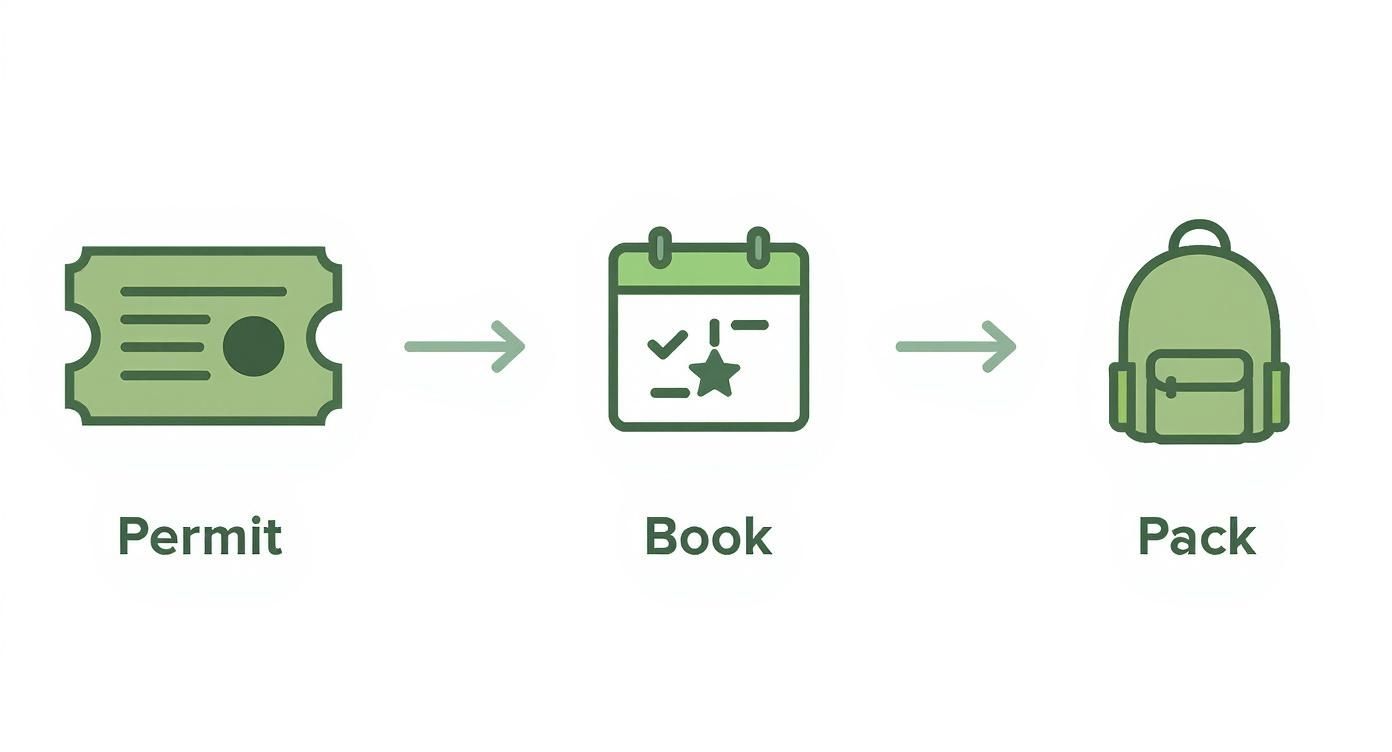
As you can see, locking in that permit is the first major step. Once it's confirmed, everything else, from your accommodation to your packing list, can fall into place.
Permit Costs and Key Details
A single gorilla trekking permit in Rwanda costs $1,500 USD per person. This gets you one hour with a habituated gorilla family. It's a hefty price tag, but it’s what underpins Rwanda's incredible conservation story.
That fee isn't just for profit. A big chunk of it goes directly into funding anti-poaching patrols, protecting the forest habitat, paying for gorilla vets, and supporting community projects that give local people a real stake in protecting the wildlife.
Here are the essential details you need to know:
- Limited Numbers: There are only 96 permits available each day. This is because there are 12 habituated gorilla groups, and each group can only be visited by a maximum of eight people.
- Book Well Ahead: You really need to book your permit at least six months in advance. This is especially important if you're travelling during the popular dry seasons (June to September and December to February).
- Your Details: When booking, you'll need to provide your full name (exactly as it is on your passport), your nationality, and your passport number.
- Age Limit: You must be at least 15 years old to trek gorillas in Rwanda. They are very strict about this rule for the safety of everyone involved, including the gorillas.
Getting your permit sorted early is the foundation of a great gorilla trip. It confirms your spot for what will be an unforgettable wildlife encounter and gives you the green light to finalise the rest of your travel plans with total confidence. Once that permit is in your name, the real excitement can begin
Choosing the Best Time for Your Gorilla Trek
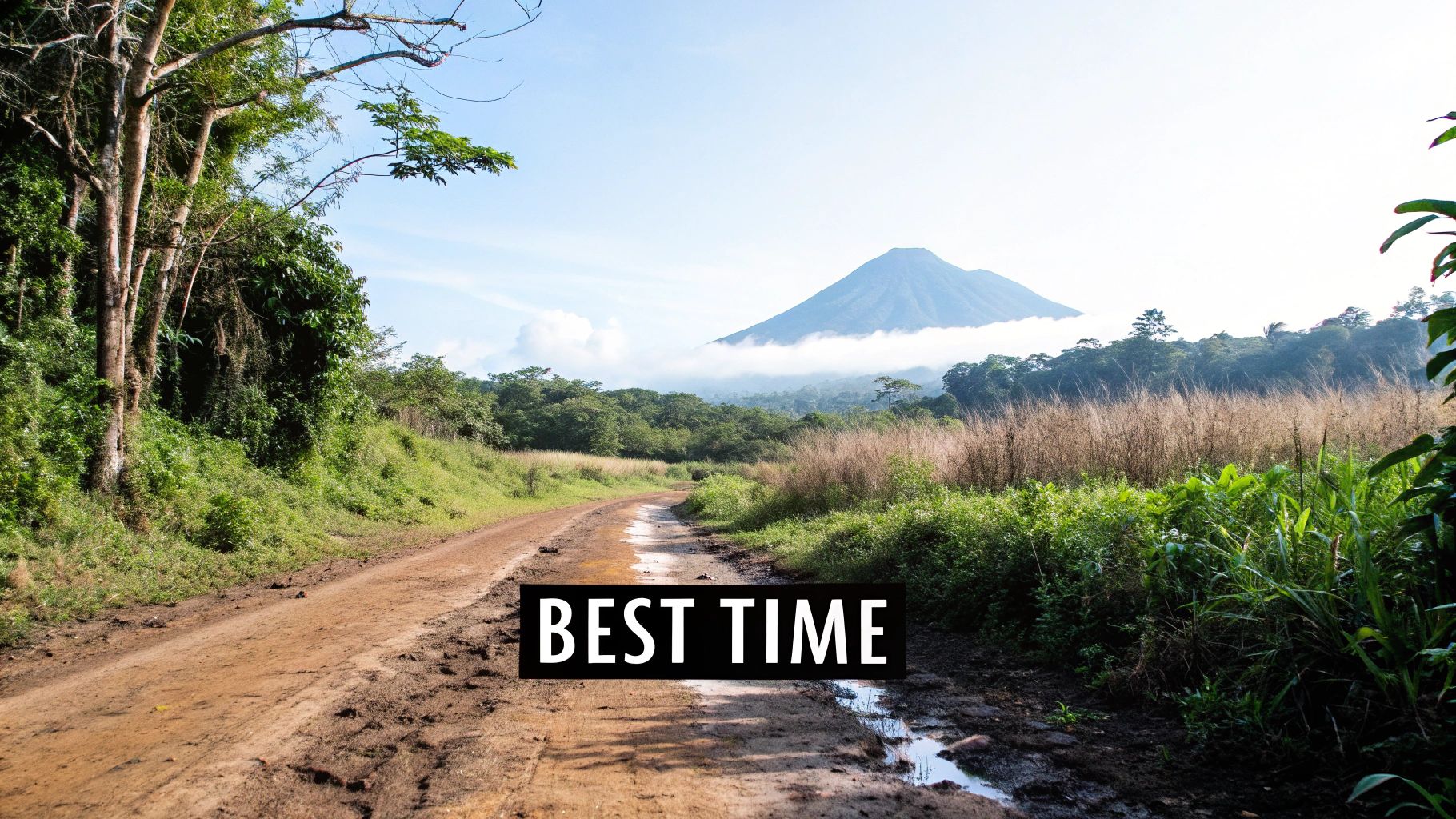
Timing is everything when you're planning a trip to see Rwanda's mountain gorillas. For the most comfortable experience, you’ll want to aim for one of the two dry seasons: June to September or December to February. During these windows, the jungle paths are much easier to navigate—think less mud and more solid ground underfoot. This makes the trek to find a gorilla family far more pleasant. It also means clearer skies for your photos and a much smaller chance of a downpour during that unforgettable hour you spend with them.
While you can technically track gorillas all year round, the season dramatically changes the nature of the experience. It’s the difference between a pleasant hike in the hills and a tough slog through a mud-soaked obstacle course. The weather in Volcanoes National Park doesn't just affect the trails; it influences visibility and even how the gorillas behave.
The Dry Seasons: Peak Trekking Time
The long dry spell from June to September is, without a doubt, the most popular time for Rwanda gorilla tours. The weather is generally stable, sunny, and sees very little rain. For you, this means drier and safer paths, a real blessing when you're tackling those steep volcanic slopes.
The shorter dry season, which runs from December to February, offers similarly fantastic trekking conditions. There's a reason these months are so sought after:
- Easier Hiking: With less rain turning the trails to mush, you'll have better footing and a less strenuous climb.
- Better Visibility: The air is clearer, giving you stunning views of the forest and, of course, the gorillas themselves.
- More Active Gorillas: Just like us, gorillas often hunker down to stay warm and dry in the rain. Sunny weather often means you'll see more active and playful family dynamics.
The downside to this perfect weather? Popularity. If you're planning a trip during these peak times, you need to book well in advance. Gorilla permits and the best lodges can be fully booked six to twelve months ahead of time.
The Rainy Seasons: A Different Kind of Adventure
Then there are the rainy seasons—the long rains from March to May and the short rains from October to November. This is a completely different, but equally magical, time to visit. The forest is at its most vibrant, a sea of lush green, and the mist that hangs in the canopy creates an incredibly atmospheric and mysterious setting.
Be prepared, though; the trekking is definitely tougher. The paths get muddy and slick, so you’ll need a good level of fitness and a can-do attitude. But the payoff can be huge.
"The rainy season offers a unique, almost ethereal, atmosphere in the forest. While the hike is tougher, the smaller crowds and the incredibly green scenery make it a special experience for the more adventurous traveller."
Far fewer people visit during these months, which often translates to smaller trekking groups and a more intimate feel. You'll also find it's easier to get a last-minute permit, and some lodges even offer lower rates. If you don't mind packing some serious rain gear and embracing the mud, it can be a fantastic and more budget-friendly option. It all comes down to what you prioritise: comfort and clear skies, or a wilder, more solitary adventure.
Where to Stay Near Volcanoes National Park
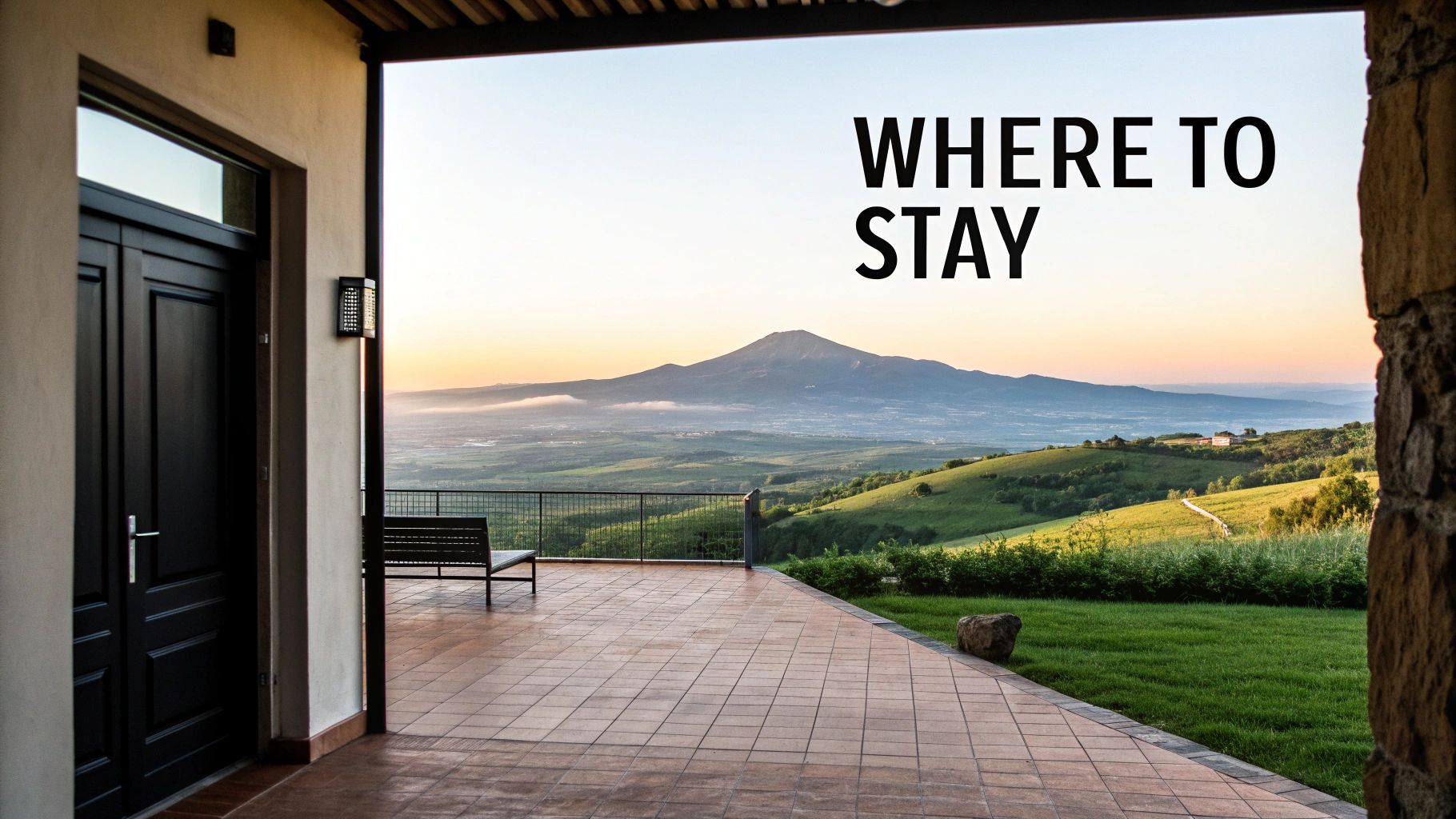
Choosing where to stay for your Rwanda gorilla tour is more than just booking a room; it’s about setting the stage for one of the most incredible experiences of your life. The right lodge is your sanctuary, a place to prepare for the adventure and later, to reflect on the magic of it all. Location is everything here. You need to be at the Volcanoes National Park headquarters in Kinigi by 7:00 AM sharp, so a nearby lodge makes for a much smoother, more relaxed start to an already thrilling day.
Thankfully, the area around the park is dotted with a fantastic range of places to stay. Whether you're after a high-end luxury retreat with jaw-dropping volcano views, a comfortable mid-range base, or a charming budget guesthouse, there's something to suit every traveller. The best spots do more than just offer comfort; they pull you into the stunning landscape and get you ready for the hike ahead.
Luxury Lodges: The Ultimate Pre-Trek Indulgence
For anyone wanting to make their gorilla safari truly unforgettable, the luxury lodges near Volcanoes National Park are in a class of their own. These places are designed to blend right into the environment, offering world-class service, incredible food, and views of the Virunga volcanoes that will take your breath away. They are true sanctuaries, perfect for unwinding before and after your trek.
Many of these lodges are all-inclusive, taking care of every little detail, from cleaning your muddy boots to packing a delicious lunch for your hike. Think spa treatments, private fireplaces, and guides who can share fascinating insights into the local ecosystem.
Look for lodges that offer these perks:
- Prime Location: Most are just a short 10 to 20-minute drive from the park headquarters, making your morning effortless.
- Exceptional Service: Personalised attention is the norm, with staff preparing your gear and often welcoming you back with a complimentary foot massage.
- Conservation Focus: The best lodges are deeply involved in local conservation and community initiatives, so your stay makes a positive impact.
Staying at a luxury lodge turns your trip from a fantastic trek into a completely restorative retreat.
Mid-Range Comfort: A Balanced Approach
Mid-range accommodation strikes that perfect balance between comfort, convenience, and value. These lodges and hotels offer excellent facilities without the hefty price tag of the top-tier options, making them a popular choice for travellers on Rwanda gorilla tours. They provide a reliable and comfortable home base right near the action.
Here, you can expect clean, spacious rooms, good meals, and friendly staff who know exactly what gorilla trekkers need. Most are located within a 15 to 30-minute drive of the park headquarters, so you won't have to worry about a long journey in the morning.
Choosing a mid-range lodge means you get all the essentials—a hot shower, a hearty breakfast, and a comfy bed—without blowing your budget. It allows you to focus your resources on the real prize: the wildlife encounter itself.
These places often feature lovely gardens and peaceful views of the rolling hills, creating a wonderfully calm atmosphere. They're a practical and comfortable choice that ensures you're well-rested for the physical demands of the trek. For a wider selection, you can explore various options at East African hotels to find the perfect fit.
Budget-Friendly Stays: Authentic and Accessible
Travelling on a tighter budget absolutely doesn't mean you have to miss out. The area has several brilliant, budget-friendly guesthouses and smaller lodges that offer an authentic and warm welcome. These places are a fantastic way to connect more deeply with the local community.
While the amenities might be simpler, the hospitality is top-notch. You’ll find clean, basic rooms and enjoy wholesome, home-cooked meals. They might be a slightly longer drive away—usually 30 to 45 minutes from the park entrance—but the value and genuine experience are well worth it.
These stays are ideal for travellers who are all about the adventure and want a real connection to Rwanda. Your hosts are often locals with fascinating stories to share, adding a whole other layer to your incredible journey.
What to Expect on Your Trekking Day
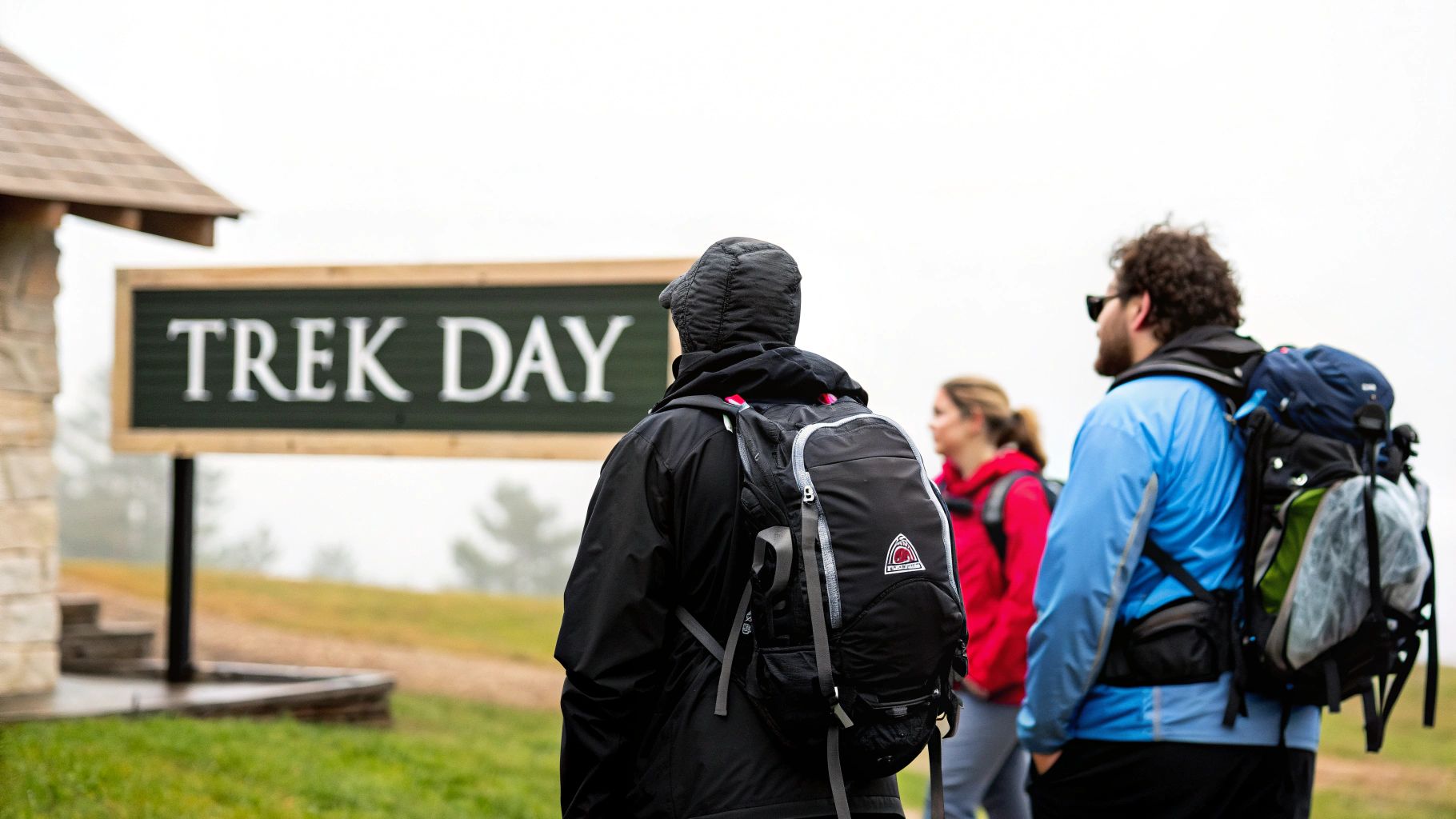
The morning of your gorilla trek is a heady mix of nervous excitement and raw anticipation. It all kicks off with an early, crisp drive to the Volcanoes National Park headquarters in Kinigi, where you need to be by 7:00 AM. The place is already buzzing with energy—fellow trekkers are gathering, porters are getting organised, and guides are prepping for the day. This is where it all starts to feel very, very real.
A head ranger will welcome everyone, often with a traditional dance performance that brings a vibrant start to the day. From there, you'll be assigned to a specific gorilla family. Each trekking group has a maximum of eight people, and the assignments are carefully considered, often matching your group’s perceived fitness with how far and how tough the trek is to a particular family’s last known location.
The Morning Briefing and Meeting Your Team
Once your group is set, you’ll meet your lead guide. These men and women are fountains of knowledge, not just about the gorillas but about the entire forest ecosystem. They'll give you a detailed briefing covering the essential safety rules, the dos and don'ts of gorilla etiquette, and a rundown of what to expect on the trail. It’s the perfect time to ask any last-minute questions you have.
You’ll also be introduced to the trackers—the unsung heroes of every Rwanda gorilla tour. These experts head into the park at dawn, picking up the trail of the gorilla families from where they nested the night before. Their skill is why sightings are almost 100% guaranteed. You can also hire a porter here, which I can’t recommend enough. It not only supports the local community but also makes your trek significantly more enjoyable.
The Journey into the Forest
The trek itself is a true adventure. After a short drive to your trail's starting point, you’ll step out of the 4×4 and into another world entirely. The path might start by winding through community farmland on the park's edge before plunging you deep into a dense bamboo forest. The terrain can be challenging—sometimes muddy, often steep—but it is always breathtakingly beautiful.
Your guide will set a comfortable, steady pace with plenty of stops for water and catching your breath. Along the way, they’ll point out unique plants, animal tracks, and colourful bird species, transforming the hike into a fascinating lesson in ecology. This part of the journey can last anywhere from one to four hours; it all depends on where your assigned gorilla family has decided to forage that day.
The trek is so much more than just a way to get from A to B; it's an experience in itself. The sounds of the forest, the cool mountain air, and the quiet wisdom of your guide create a profound connection to this place long before you even lay eyes on a gorilla.
The Magical Hour with the Gorillas
Then comes the moment you've been dreaming of. Your guide gets a quiet call from the advance trackers. It's time. You’ll leave your bags, walking sticks, and any food with the porters, taking only your camera. As you get closer, your guide will signal for complete silence. And then, through the foliage, you see them. That first glimpse of a mountain gorilla family in their own world is something that will be etched into your memory forever.
For the next 60 minutes, you are a privileged, quiet guest in their home. You might watch a colossal silverback keeping a watchful eye over his family, see youngsters tumbling and playing with boundless energy, or witness a mother tenderly grooming her infant. The rules are strict and for their protection:
- Keep a respectful distance of at least 10 metres.
- Speak only in whispers.
- Never make direct eye contact with the silverback.
- Flash photography is strictly forbidden.
Rwanda's approach to gorilla trekking is a world-class model for sustainable wildlife tourism. While other destinations have lower permit fees—Uganda's is USD 800—Rwanda's USD 1,500 fee supports a more exclusive, less crowded, and meticulously managed encounter. The country's superb infrastructure and the park's easy access from Kigali make the journey seamless, and limiting visitor numbers minimises environmental impact. This careful strategy has also led to one of the highest gorilla sighting success rates on the planet.
After your unforgettable hour is up, you’ll begin the hike back, your mind full of memories that will last a lifetime. You haven't just seen gorillas; you've become part of a remarkable conservation story. Many travellers weave this incredible day into a larger adventure, which you can explore on our comprehensive safaris and tours page.
How Your Tour Supports Gorilla Conservation
When you book a Rwanda gorilla tour, you're doing so much more than planning an incredible holiday. You're making a direct, powerful investment in the future of an entire species.
Every single permit purchased channels money into a conservation model that has become a global success story. It’s proof that responsible tourism isn't just a nice idea—it can be the most effective lifeline for endangered wildlife. The revenue you generate actively funds the critical work happening on the ground in Volcanoes National Park, day in and day out.
Direct Funding for Frontline Protection
A large chunk of your permit fee goes straight to the front lines of conservation. This money is the lifeblood for the teams working tirelessly to protect the mountain gorillas and their delicate forest home.
This is a practical, results-driven system that supports:
- Anti-Poaching Patrols: Highly trained rangers trek through the park every day, removing deadly snares and warding off illegal activities that threaten the gorillas.
- Veterinary Care: The world-famous Gorilla Doctors get crucial funding to monitor the health of each gorilla family, ready to step in with life-saving medical treatment when needed.
- Scientific Research: Continuous research helps us better understand gorilla behaviour, genetics, and health, which in turn sharpens the strategies used for their long-term survival.
This model works. Decades of hard work by the government, local communities, and groups like the International Gorilla Conservation Programme (IGCP) have seen the mountain gorilla population climb to an estimated 1,063 individuals across the Virunga Massif. Tourism revenue is what makes the patrols, habitat restoration, and vital research possible. You can read more about Rwanda's conservation success on visitrwandagorilla.com.
Empowering Communities as Conservation Partners
Rwanda’s approach to conservation is brilliant because it understands a fundamental truth: you can't protect wildlife without the buy-in of the people living next to it. This is where the country's community revenue-sharing programme changes everything.
A full 10% of all tourism revenue from the national parks is channelled directly back into the surrounding communities. This isn't just a vague promise; it’s a tangible commitment that builds schools, health clinics, and provides clean water.
This strategic investment completely reshapes the dynamic between local people and the park. It creates alternative livelihoods and proves that a living gorilla is worth far more than a poached one. When communities see real, tangible benefits from tourism, they become the forest's most passionate guardians, actively helping to protect the gorillas and reduce human-wildlife conflict.
By choosing a Rwanda gorilla tour, you're not just a spectator; you're an active partner in this incredible success story. Your visit helps pay the rangers on patrol and empowers the communities who are the gorillas' best protectors, ensuring these magnificent animals have a future for generations to come.
Frequently Asked Questions About Rwanda Gorilla Tours
Let's be honest, planning a trip to see mountain gorillas isn't like booking a beach holiday. It’s a real adventure, and adventures always come with questions. We get it. To help you feel completely prepared, we’ve put together straight-to-the-point answers to the things travellers ask us most about Rwanda gorilla tours.
If you're looking for more on-the-ground tips or want to chat with people who've just returned, connecting with other travellers can be a goldmine of information. A dedicated Rwanda travel forum is often a great place to start.
How Difficult Is Gorilla Trekking In Rwanda?
The honest answer is: it varies. One day you might have a gentle one-hour walk, and the next it could be a challenging four-hour hike each way. It all depends on where your assigned gorilla family has decided to hang out for the day. The terrain in Volcanoes National Park is undeniably mountainous, and you should expect some steep, muddy, and uneven sections, especially if there's been rain.
That said, you don’t need to be a marathon runner. A decent level of fitness will see you through just fine. The guides are brilliant at matching groups to gorilla families based on perceived fitness, and hiring a porter is one of the best decisions you can make. They'll carry your bag and, more importantly, offer a helping hand on those tricky slopes, which makes the whole experience far more enjoyable.
What Is Essential To Pack For A Gorilla Tour?
Packing smart is key to a comfortable trek. You’re heading into a high-altitude rainforest, so the right gear makes all the difference.
Here are the absolute must-haves for your daypack:
- Sturdy Hiking Boots: Think waterproof, with good grip and ankle support. This is non-negotiable for the muddy, uneven ground.
- Layered Clothing: Long trousers and a long-sleeved shirt are your best friends against stinging nettles and insects. A light, waterproof rain jacket is also essential, as the weather can turn on a dime.
- Gardening Gloves: This might sound odd, but they are a game-changer for grabbing onto branches and vines without worrying about thorns.
- Daypack Essentials: Make sure you're carrying at least 1-2 litres of water, some high-energy snacks, your camera (in a waterproof bag!), and any personal medication you might need.
Are There Age Restrictions For Gorilla Trekking?
Yes, and it's a rule that is strictly enforced. You must be at least 15 years old to go gorilla trekking in Rwanda. The Rwanda Development Board (RDB) put this limit in place for a couple of very important reasons.
First and foremost, it’s to protect the gorillas. They are incredibly susceptible to human diseases, and this rule helps minimise that risk. It also ensures the safety of everyone on the trek, as the journey can be physically tough and requires a level of maturity and stamina that younger children may not have.
At HelloEastAfrica, we cut through the noise and connect you directly with the best local lodges, guides, and experiences. Let us help you piece together your perfect East African adventure. Start planning today at https://helloeastafrica.com.
What will your Uganda trip cost?
Use the Uganda Trip Cost Calculator to see a realistic starting range before you ask for a human-checked quote.


Comment (0)